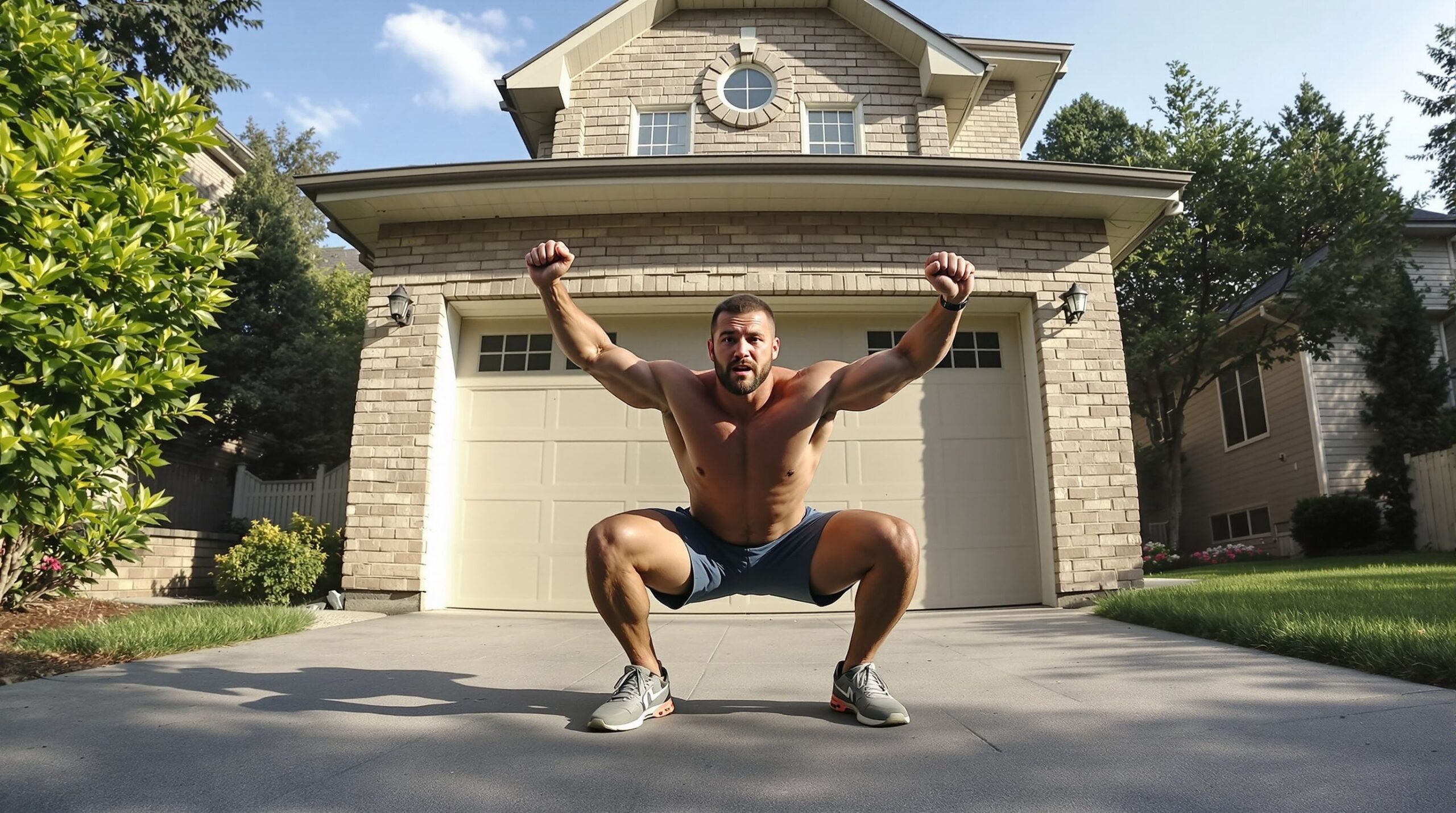
In a world where schedules feel packed and responsibilities stretch across every hour of the day, finding time for fitness can seem impossible. Yet the belief that effective workouts must last an hour or more has been replaced by something refreshingly achievable: short, high-impact cardio sessions that transform your energy, burn calories quickly, and fit seamlessly into even the busiest lifestyle. A twenty-minute cardio workout is long enough to elevate your heart rate, boost metabolism, and deliver measurable fitness and fat-burning results. This guide brings you into the world of quick, powerful training sessions designed to help you move, sweat, and progress without sacrificing precious time. Whether you’re juggling work, family, or a never-ending to-do list, these workouts make room for meaningful fitness in your day.
A: Yes—when done consistently and with purposeful intensity, 20 minutes can improve fitness and support fat loss.
A: Aim for 3–6 sessions weekly, depending on your goals, schedule, and recovery.
A: Both work. Intervals maximize intensity; steady-state offers a lower-stress option. Rotate based on energy and joint comfort.
A: Do two 10-minute sessions. Movement “snacks” throughout the day still add up and benefit your health.
A: Absolutely—do whichever is your priority first, then finish with the other.
A: Try 4 rounds of: 3 minutes brisk walking or marching in place, 1–2 minutes faster pace, then repeat.
A: Yes—include at least 1–2 lighter days per week with gentle movement or stretching.
A: For many people, yes—just vary intensity and listen to your body’s signals.
A: Try a quick morning or mid-day session, or start very light—often the hardest part is just beginning.
A: Many people feel better energy and mood within 1–2 weeks and see fitness or physique changes within 4–8 weeks.
Why Short Cardio Sessions Work Surprisingly Well
Gone are the days when long sessions of steady, continuous exercise were the only recognized path to cardiovascular health. Today, science highlights the incredible benefits of short, intense workouts that fit into tight timeframes. Twenty minutes may sound brief, but when structured well, it can trigger physiological changes similar to longer workouts. Short-duration cardio brings your heart rate into powerful training zones faster, recruits essential muscle groups, and stimulates the afterburn effect. This means your body continues burning calories even after the workout ends.
The compact nature of these workouts also encourages consistency. When the barrier to entry is low, motivation becomes easier to sustain. People who struggle to carve out long training blocks find that twenty-minute sessions feel less intimidating and more manageable. The shorter timeframe also helps maintain focus and intensity, reducing the temptation to slow down or lose momentum. Over the course of weeks and months, these sessions stack into substantial improvements in endurance, strength, and overall cardiovascular performance.
Another major advantage is their versatility. Short workouts can be performed at home, outdoors, or in the gym, with no equipment or full equipment depending on preference. You can customize the format, duration, and pace to match your mood, schedule, or energy level. This adaptability is one of the reasons twenty-minute cardio sessions have become a staple for people balancing full lives with health-driven goals.
The Impact Zone: How Twenty Minutes Burns Maximum Calories
The effectiveness of a twenty-minute cardio workout hinges on intensity. These sessions are designed to bring your heart rate into elevated zones quickly, maximizing energy expenditure and fat-burning potential. Because you’re working in a compressed timeframe, the body relies heavily on fast-access energy systems, activating both aerobic and anaerobic pathways. This creates a metabolic demand that extends far beyond the workout itself.
The afterburn effect becomes a key player in maximizing results. When you train at higher intensities, your oxygen levels drop as your body surges to meet rapid energy needs. After the workout, your system works hard to restore oxygen balance, repair tissue, and remove metabolic byproducts. These recovery processes burn additional calories, making a short session more impactful than many people expect.
The design of the workout also influences calorie burn. Intervals, tempo shifts, resistance variations, and full-body movements increase the metabolic load and challenge multiple muscle groups. A workout that uses compound movements—like fast hill sprints, cycling surges, or jump-based exercises—creates a higher calorie demand and increases overall intensity. By packing the session with movements that force the body to work efficiently and explosively, twenty minutes becomes a powerhouse for fat loss and conditioning.
HIIT, Circuits, and Power Bursts: Three Fast Formats That Change Everything
Twenty-minute cardio workouts shine brightest when paired with high-impact formats that keep the body moving with purpose. High-Intensity Interval Training compresses intense effort and brief recovery periods into a sequence that unleashes remarkable fat-burning effects. This format allows you to push hard without needing to sustain maximal effort for long. Each interval fires up your cardiovascular system, then gives you just enough time to prepare for the next round. The constant rise and fall of heart rate builds stamina, sharpens speed, and supercharges metabolism.
Circuit training offers another compelling option. This format moves you continuously from one exercise to the next, rarely pausing but constantly stimulating different muscle groups. Circuits are ideal for full-body conditioning because they combine cardio efforts with integrated strength elements. By flowing through movements like step-ups, fast squats, rowing strokes, or stride patterns, you maintain elevated heart rates while building muscular endurance.
Power burst sessions take a more specialized approach. These workouts use short explosive movements like jump rope sprints, kettlebell swings, mountain climbers, or fast treadmill surges. The focus is on peak energy output within a condensed window. Power bursts engage fast-twitch muscle fibers, which support speed, agility, and rapid force production. Incorporating these sessions into your weekly routine boosts athleticism and keeps cardio training dynamic and exciting.
These three formats easily fill a twenty-minute window while offering variety, challenge, and powerful conditioning results. Their adaptability ensures you can enjoy fresh, motivating sessions without sacrificing efficiency or performance.
At-Home Cardio That Delivers Gym-Level Intensity
One of the greatest advantages of twenty-minute cardio sessions is that they can be done anywhere. Home workouts remove the time spent commuting to the gym or waiting for equipment, allowing you to squeeze in training whenever the opportunity appears. With the right structure, home-based cardio can deliver every bit of intensity found in a gym environment. Bodyweight movements, quick step patterns, core-driven rotations, and jump variations bring your heart rate up quickly while requiring zero equipment.
Training at home also allows for creative combinations. You can move between areas of your living space, switching surfaces, angles, or elevations to mix up the workout. A staircase becomes a built-in cardio machine. A clear section of floor becomes a sprint lane for movement-based intervals. Working out in a familiar environment can remove stress and ease the mental load associated with leaving the house, especially on time-crunched days.
Those who prefer a mild equipment boost can add small items such as resistance bands, a jump rope, a folding step platform, or a small stationary bike. These tools expand workout variety without requiring a dedicated home gym. When combined with explosive or continuous movement patterns, they help mimic the resistance and challenge of gym machines. The key is creating a flow that keeps you moving with purpose and elevates your heart rate within the first minute.
Outdoor Cardio Options That Fit Into Any Schedule
For those who enjoy fresh air and open space, outdoor cardio provides a deeply satisfying way to train in just twenty minutes. A fast run, a brisk uphill walk, a bike sprint loop, or even a short agility session at a park can stimulate the cardiovascular system and provide a refreshing change of scenery. Nature offers both a mental reset and a physical challenge, making it easier to stay motivated and connected to the experience.
Outdoor training also adapts easily to different conditions. On energetic days, you can push hard with bursts of effort such as hill sprints or rapid cycling intervals. On lighter days, a quick jog, hike, or power walk ensures consistent movement without overwhelming intensity. The varied terrain found outdoors challenges stabilizer muscles, improves balance, and increases overall strength. Even a compact park or narrow neighborhood route can become a powerful training ground when approached with purpose.
Weather seasons also influence training style and offer unique benefits. Cooler temperatures support longer runs or faster intervals, while warmer weather encourages dynamic movements and more intense bursts. Training outdoors builds resilience and variety while keeping your schedule flexible. The freedom to exercise anywhere transforms the twenty-minute workout into a refreshing invitation rather than a chore.
Balancing Efficiency and Recovery for Sustainable Progress
Short cardio workouts bring impressive benefits, but like any form of training, they require balance to avoid fatigue or overtraining. Because twenty-minute sessions often rely on higher intensities, recovery becomes an essential part of long-term success. Muscles and energy systems need time to repair and rebuild, especially after challenging intervals or power-driven movements. Incorporating rest days or lighter movement sessions ensures performance stays high and results continue improving.
Listening to your body plays a crucial role in personalization. Some days, energy spikes and intense efforts feel natural. On other days, stress, sleep, or work demands may call for gentler sessions. The beauty of the twenty-minute format is that it adapts easily to your physical and mental state. When intensity feels right, you can push hard and elevate your heart rate. When recovery is needed, you can shift into steady movement without missing a day of physical activity.
Consistency creates momentum. The more you train, even in short windows, the stronger your cardiovascular foundation becomes. Aerobic capacity, muscular endurance, and metabolic efficiency grow steadily with time. Balancing powerful sessions with mindful recovery ensures the body remains resilient and ready for continued progress. Over weeks and months, these short daily commitments evolve into a transformative fitness habit.
Building a Lifestyle Around Short, Powerful Workouts
Twenty-minute cardio sessions do more than burn calories—they reshape your entire approach to fitness. Adding quick, powerful workouts into your lifestyle creates a rhythm that supports discipline, motivation, and confidence. When exercise becomes easy to integrate rather than difficult to schedule, momentum builds naturally. These sessions often become anchor points that bring energy into your day, reduce stress, and inspire healthier choices outside of training. Over time, short cardio workouts become a flexible foundation you can carry anywhere. Whether you’re traveling, facing a hectic week, or balancing personal obligations, the ability to train effectively in a small window removes excuses and reinforces consistency. This lifestyle approach ensures that fitness remains a priority without overwhelming your schedule. Training in bursts also enhances performance in other areas. Energy levels rise, mental clarity sharpens, and daily tasks feel easier because your body is conditioned for effort. Your cardiovascular system becomes more efficient, your muscles become more resilient, and your metabolism becomes more active. When combined with strength training, mobility work, or mindfulness practices, twenty-minute cardio sessions contribute to well-rounded wellness that supports long-term health.