
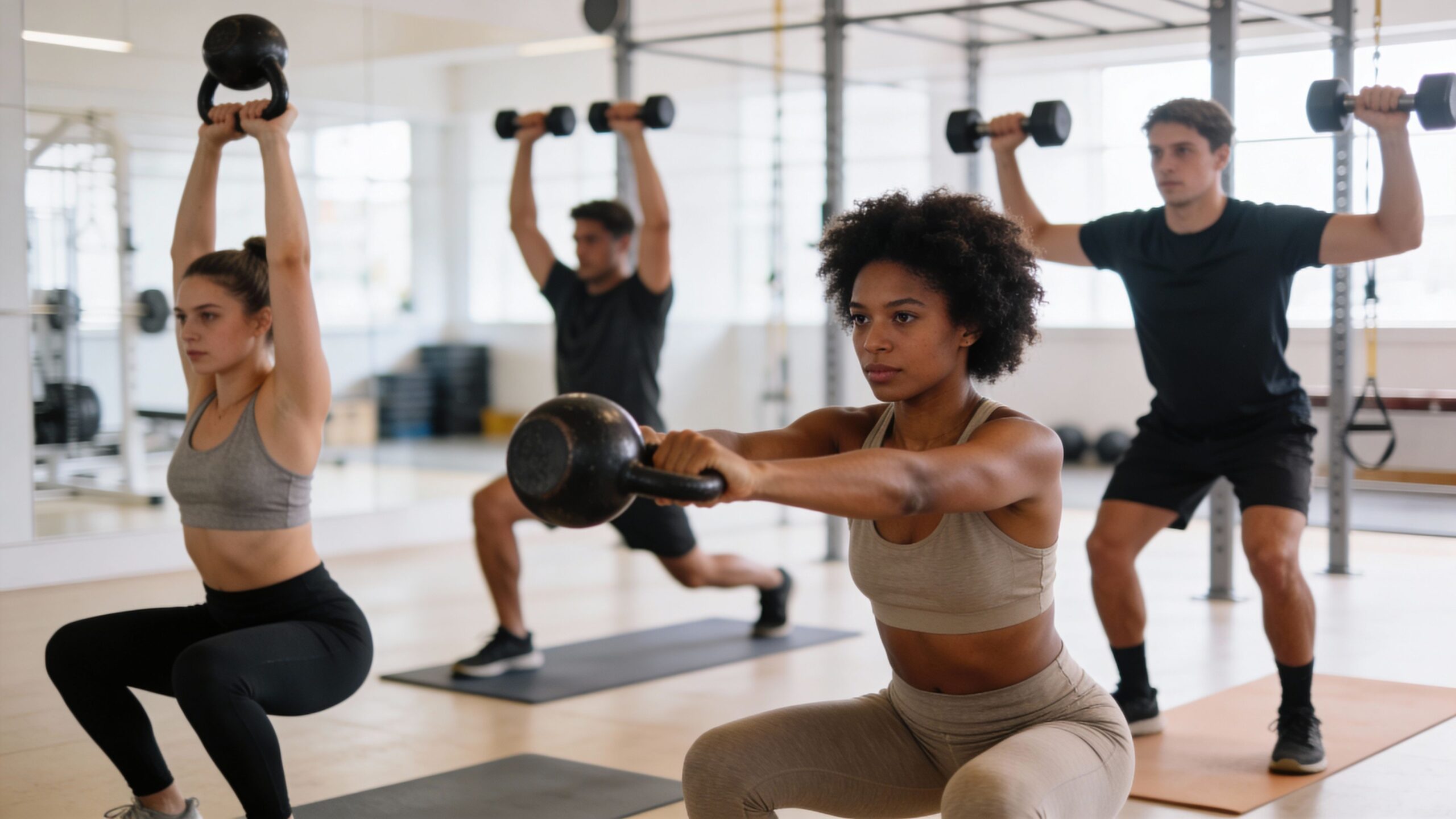
Fitness Trends capture the evolving ways people move, train, recover, and stay motivated in a world that never stops changing. From innovative workout styles and emerging training philosophies to new technology and fresh approaches to wellness, trends reflect how fitness adapts to modern life. They reveal what excites people, what fits busy schedules, and what helps results feel more achievable and engaging. Fitness Trends are not about chasing every new idea, but about understanding what works, why it matters, and how it can elevate your routine. Some trends spark long-term shifts, while others add variety and inspiration that keep training interesting. On Fitness Streets, this collection of articles explores the ideas shaping today’s fitness culture, from data-driven training and recovery tools to community-based workouts and mindset-focused movement. The goal is to help you stay informed, curious, and intentional as fitness continues to evolve. When you understand the trends, you can choose what aligns with your goals, your lifestyle, and your vision for long-term health and performance.
A: If it’s safe, simple, and helps you stay consistent, it’s worth a 2–4 week test.
A: Daily steps + 2–3 strength sessions weekly—boring, effective, repeatable.
A: No—use them only if they help habits. A calendar and a walk can be enough.
A: They’re different tools—Zone 2 builds base; HIIT is spicy. Most people do best with more Zone 2 and occasional HIIT.
A: Choose a simple weekly template and repeat it for a month before changing anything.
A: Yes—frequent short bouts can improve consistency, reduce stiffness, and build volume over time.
A: Switching too fast. Trends need time to show results—give them a fair trial.
A: Keep most cardio easy, keep strength focused, and schedule at least one lighter recovery day.
A: Not required—sleep, hydration, and smart training are the real recovery foundation.
A: Keep your core plan stable and “plug in” one new idea at a time.