
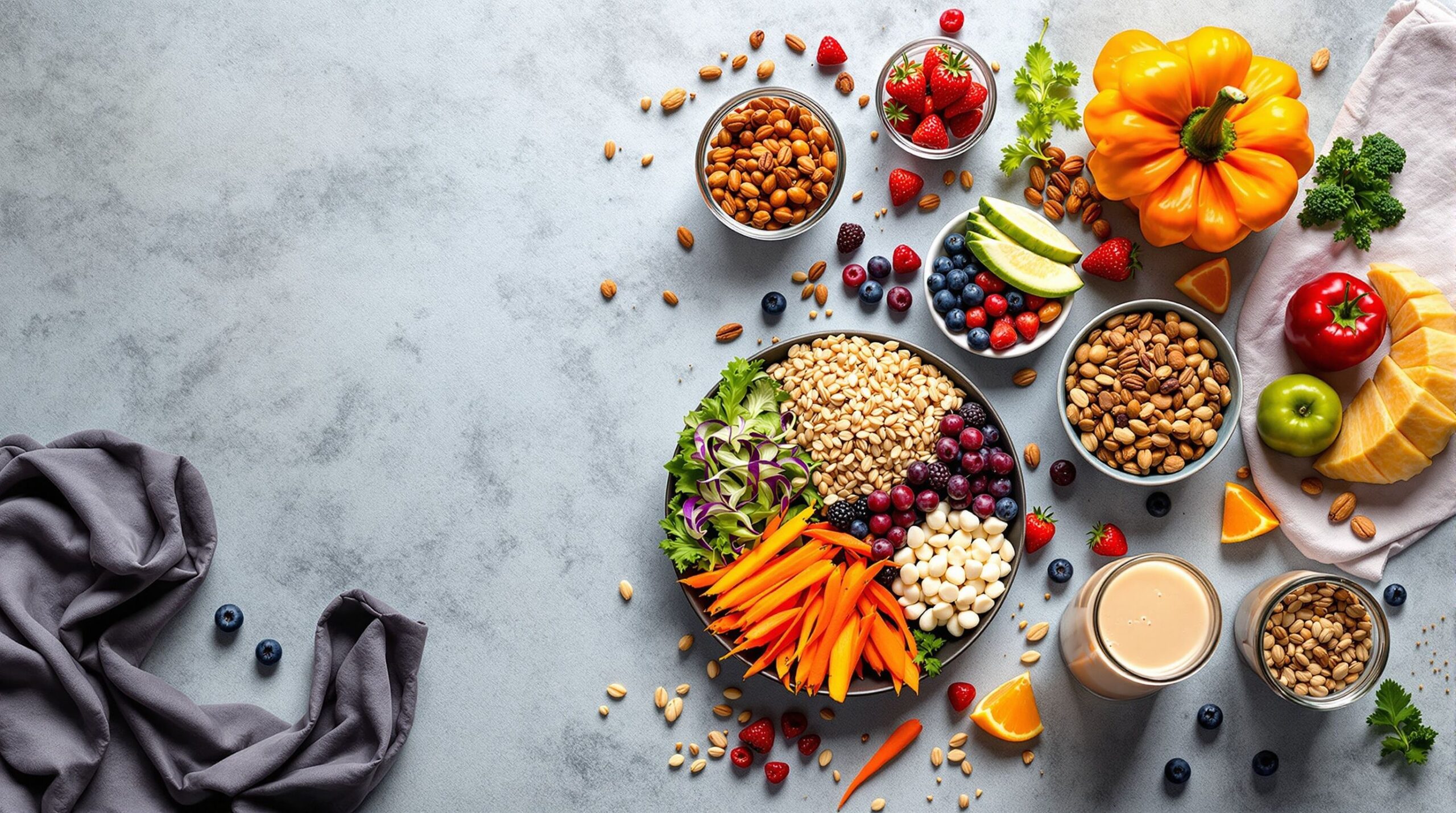
Performance Nutrition is where food becomes strategy—each bite a deliberate step toward strength, speed, endurance, and total physical potential. On Fitness Streets, this sub-category unlocks the science behind eating with intention, helping you understand how the right nutrients at the right time can transform your workouts, recovery, and long-term progress. Here, you’ll dive into the powerful connection between what you fuel your body with and how fiercely it performs, exploring everything from energy-boosting meals to muscle-building combinations and recovery-enhancing nutrients. Performance nutrition isn’t about strict rules—it’s about building a personalized system that amplifies your goals, supports your training style, and keeps you energized from the first rep to the final stretch. Whether you’re an athlete chasing new records or someone striving to feel stronger and more capable each day, this space gives you the tools to nourish with purpose. Think of it as your performance playbook—where science meets flavor, where strategy meets lifestyle, and where every meal becomes an opportunity to elevate your edge on Fitness Streets.
A: Not necessarily. Many people see gains by simply aligning balanced meals, snacks, and fluids with their training needs.
A: Total daily intake is usually the biggest factor; timing around key sessions can provide an extra edge for some athletes.
A: Some people experiment with it, but it’s not required and may not be appropriate for everyone—professional guidance is helpful.
A: Many athletes adjust portions gradually while protecting energy for training; slow, steady changes are often preferred.
A: It depends on the sport, intensity, and individual; high-intensity efforts generally rely heavily on carbs.
A: Many people benefit from planning a consistent pre- and post-workout option instead of leaving it to chance.
A: Often no. Water and regular meals work well for many sessions; longer or hotter workouts may need more specific strategies.
A: Testing foods and timing in practice, starting with smaller amounts, and adjusting fiber/fat can all help.
A: Competitive athletes, people with health conditions, and those with complex goals often benefit from one-on-one guidance.
A: Start with consistent meals, basic hydration, and a simple pre- and post-workout routine, then build from there with professional help as needed.