
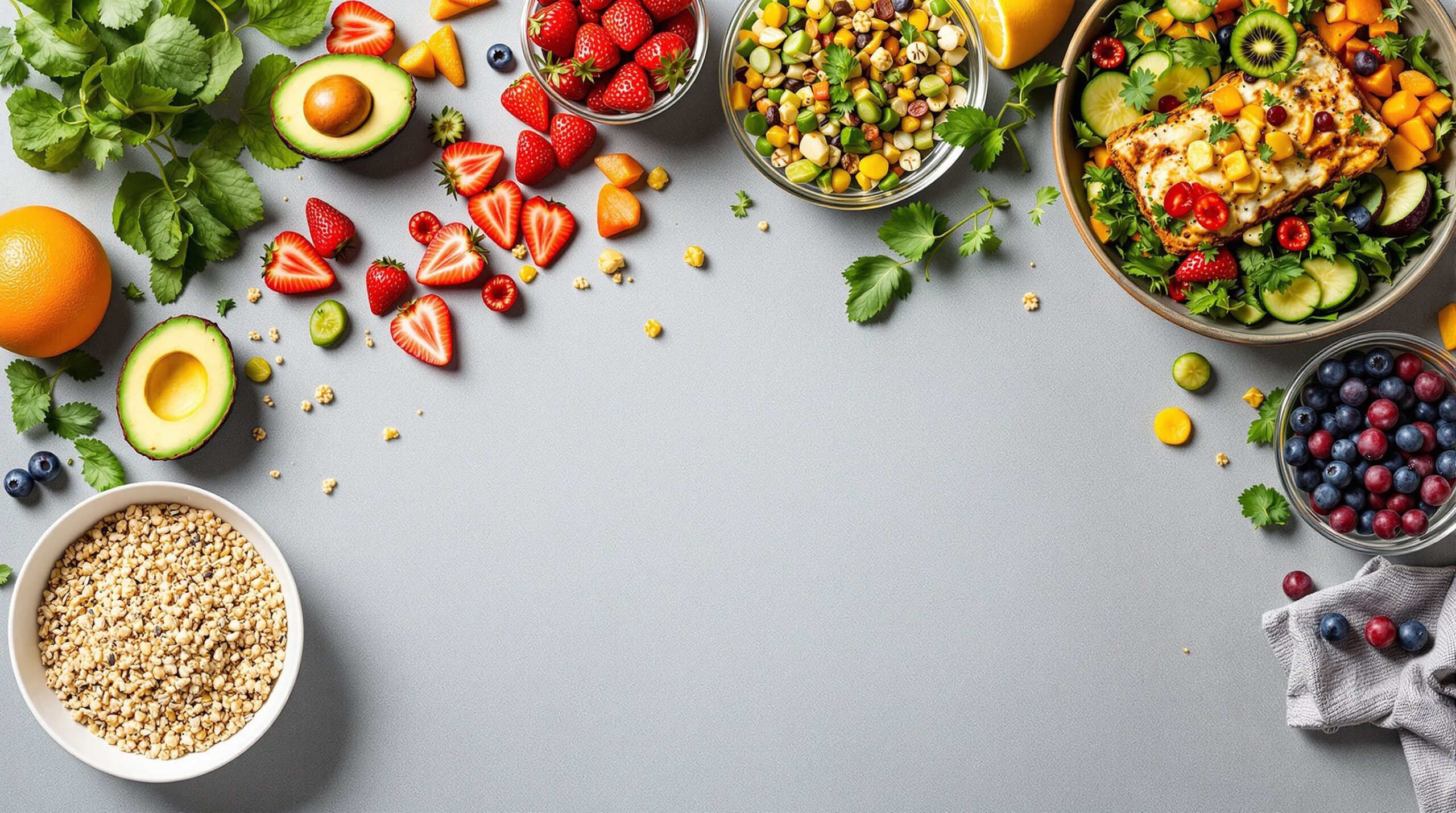
Diet Trends are the ever-evolving crossroads where curiosity, innovation, and personal health goals collide, offering new ways to fuel your body and redefine what nutrition can look like. On Fitness Streets, this sub-category invites you into the exciting world of modern eating styles—from high-performance approaches to lifestyle-driven philosophies—each designed to help you explore what works best for your energy, goals, and overall well-being. Here, you’ll uncover the stories behind today’s most talked-about diets, learn the science that fuels their popularity, and discover practical ways to integrate their best ideas into your daily routine. Whether you’re drawn to plant-forward eating, intrigued by intermittent fasting, curious about macro-balanced plans, or exploring long-term wellness strategies, this space helps you navigate trends with clarity and confidence. Diet trends aren’t about blindly following the latest buzz—they’re about finding inspiration, testing what feels right for your body, and building a nutrition style that empowers your lifestyle. Think of this as your personal guide through the vibrant landscape of modern nutrition, helping you make informed choices and stay energized on Fitness Streets.
A: Not necessarily. Many people do well by building a simple, balanced pattern without adopting a specific label.
A: Look for signs of flexibility, research support, and sustainability—and check how it fits your health status and lifestyle.
A: The body has its own detox systems. Extreme cleanses can be uncomfortable and aren’t needed for most healthy people.
A: They may be drawing from different research, experiences, or populations. Context and personalization matter.
A: Many people do. Combining helpful elements—while still meeting your energy and nutrient needs—can be a practical approach.
A: Very rigid rules, fear-based messages, or promises of fast, dramatic results without effort can be warning signs.
A: Aggressive restriction can conflict with training demands; performance-oriented plans usually prioritize adequate fuel.
A: That varies, but giving yourself enough time to adjust while monitoring energy, mood, and performance can be helpful.
A: People with medical conditions, a history of disordered eating, or on medications should involve healthcare professionals.
A: Focus on regular meals, more plants, adequate protein, and fewer ultra-processed snacks, then refine with professional input as needed.