
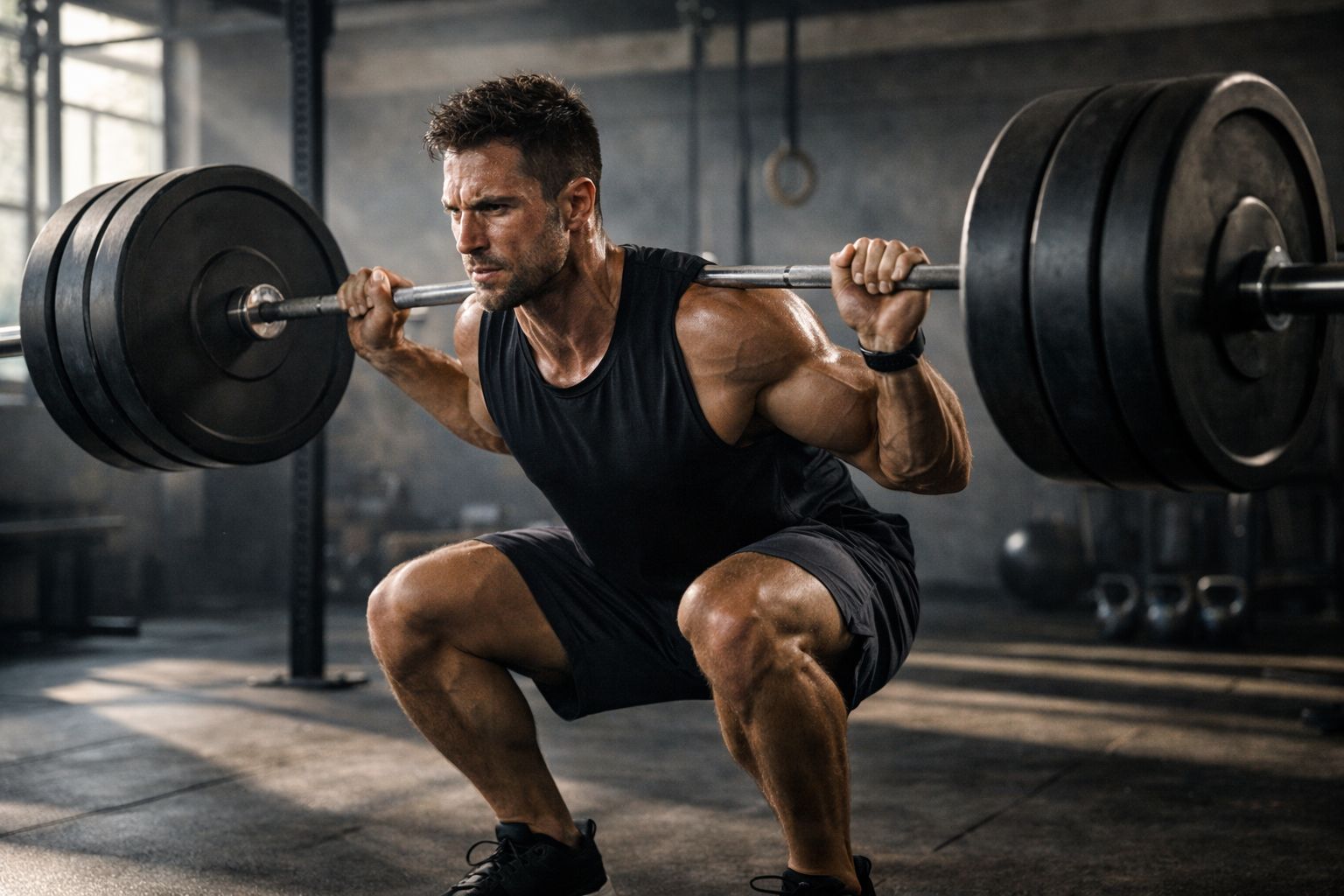
Powerlifting and Olympic lifting represent two sides of strength at its highest level—one built on maximal force, the other on speed, timing, and technical mastery. This section of Fitness Streets explores the lifts, training philosophies, and culture that shape these disciplines, from the relentless pursuit of heavier squats, presses, and deadlifts to the explosive beauty of the snatch and clean and jerk. These are training styles rooted in discipline and progression, where patience, consistency, and respect for technique define success. Powerlifting rewards focus and mental toughness under heavy load, while Olympic lifting challenges coordination, mobility, and split-second precision. Together, they create a foundation for serious strength, athletic power, and long-term performance. Here, you’ll find articles that break down lifting mechanics, programming strategies, recovery principles, and mindset insights for beginners and experienced lifters alike. Whether your goal is to move bigger numbers, build explosive power, or deepen your understanding of strength sport, this collection is designed to elevate how you train and how you think about strength.
A: If you love strength and simple patterns, start powerlifting. If you love speed, skill, and athletic positions, start Olympic lifting—or blend both with a technique-first plan.
A: Most lifters improve faster with 2–4 technique days using lighter weights and crisp reps, then add heavier work as consistency builds.
A: Occasional grinders happen, but frequent grinding spikes fatigue and can beat up joints—save true max efforts for testing or peak phases.
A: No—but they can help on heavy days. Build bracing and technique first, then use gear strategically for top sets and meets.