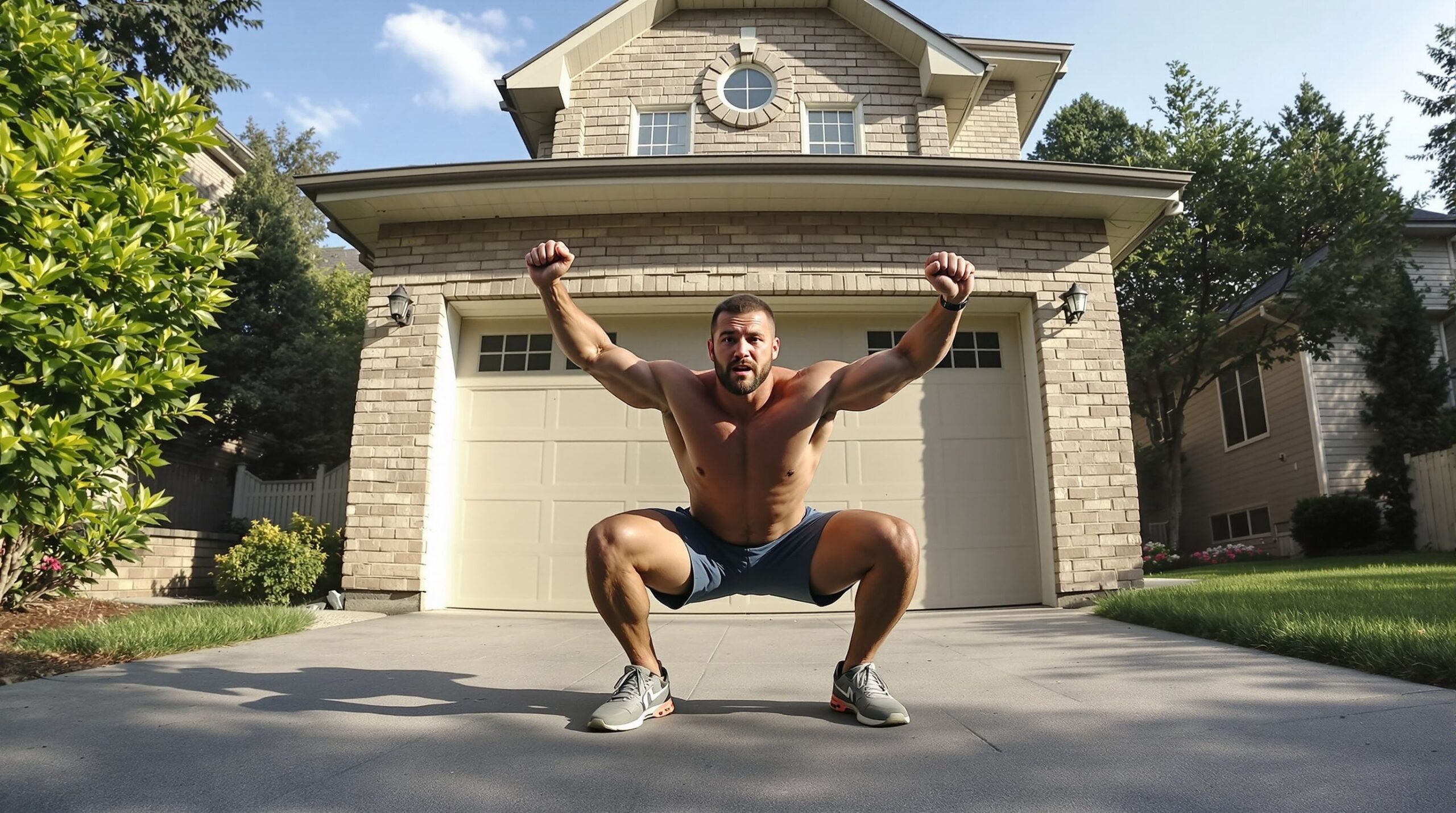
In an age where time seems to vanish faster than ever, the quest for fast, effective workouts has reshaped the entire fitness world. Cardio routines that once took an hour or more have evolved into compact, high-energy sessions designed to burn massive amounts of calories in record time. For those balancing work, school, family, and countless responsibilities, the ability to achieve meaningful fitness results in minutes rather than hours isn’t just convenient—it’s empowering. When cardio is optimized for efficiency, your heart rate climbs quickly, your metabolism spikes, and your body begins burning calories long after the workout ends. This guide explores the most powerful, calorie-crushing cardio routines that fit effortlessly into even the busiest schedules, helping you transform your health with smart, strategic training.
A: Full-body, higher-intensity work like sprints, rowing, air bikes, and jump rope usually top the list.
A: Most people do great with 15–25 minutes total, including warm-up and cool-down, 2–3 times per week.
A: HIIT burns more per minute; steady-state burns more over longer time. A mix of both works best for most people.
A: Yes, but start with low-impact moves, shorter intervals, and longer rest periods while your fitness builds.
A: Usually 2–3 days weekly is enough. Fill other days with lighter cardio, walking, or strength training.
A: Not at all—fast walking, stairs, bodyweight circuits, and jump rope at home can be incredibly effective.
A: Use bikes, ellipticals, rowing, or low-impact step-ups and fast walking to keep intensity without pounding.
A: During hard intervals, talking should be limited to a few words and you should feel ready for rest at the end of each bout.
A: Yes—when paired with a sensible calorie deficit and consistent habits, they can speed up fat-loss progress.
A: Warm up 5 minutes, then alternate 30 seconds hard / 30 seconds easy of your favorite cardio move for 10 minutes, then cool down.
The Science Behind Fast Calorie Burn
Before diving into the high-impact routines, it’s essential to understand why certain types of cardio burn more calories than others. Your body’s energy expenditure rises when your muscles work harder, your heart pumps faster, and your breathing intensifies. Workouts that push multiple muscle groups simultaneously increase the total workload, forcing your body to use more energy with each movement. High-intensity sessions demand rapid oxygen uptake, triggering powerful metabolic responses that continue long after the workout ends.
The afterburn effect, scientifically known as excess post-exercise oxygen consumption, becomes a major factor in fast calorie burn. When you train at high intensity, your muscles accumulate oxygen debt. After the workout, your system works overtime to restore oxygen levels, repair tissues, and stabilize internal processes. This elevated post-workout metabolism dramatically increases total calorie burn.
Another factor is training density. Cardio routines that eliminate downtime and keep you moving from start to finish amplify heart rate and extend calorie burn. Short rest periods combined with explosive or rhythmic movements create an environment where your cardiovascular system must work continuously. By mixing intervals, resistance changes, and fast-paced transitions, you maximize the calorie-burning potential in every minute.
High-calorie cardio isn’t just about intensity, though—it’s about smart programming. When you pair the right movements with strategic effort and controlled recovery, your body adapts quickly, becoming stronger, faster, and more efficient. These adaptations make each session more effective, forming the foundation for powerful, time-saving workouts.
HIIT: The King of Fast, Explosive Fat Burn
High-Intensity Interval Training has revolutionized the fitness world for a reason. By alternating short bursts of near-maximal effort with brief recovery periods, HIIT unleashes a calorie-torching effect unmatched by most traditional workouts. Even though the sessions are short, the intensity creates a massive metabolic demand that carries over long after you’ve finished sweating.
HIIT workouts can involve sprints, cycling intervals, rowing bursts, bodyweight circuits, or mixed-movement drills. The design is simple but incredibly powerful: push hard, recover briefly, and repeat. These rapid changes in intensity force your body to alternate between energy systems, utilizing oxygen and glycogen at high rates. Because HIIT stimulates both aerobic and anaerobic pathways, it produces one of the highest calorie-burn profiles of any fitness method.
One of the major advantages of HIIT is its versatility. You can tailor the session to your environment, equipment, or fitness level. It scales easily to beginners or advanced athletes by adjusting interval durations, movement patterns, or recovery times. The short duration makes it ideal for busy days when you need maximum return from minimal time investment. Whether you’re sprinting on a track or powering through a circuit in your living room, HIIT remains the gold standard for time-efficient calorie burn.
Rowing Power: A Full-Body, High-Calorie Engine
Rowing has become one of the most respected cardio workouts for burning large numbers of calories in surprisingly short periods. Few machines command as much full-body engagement as the rower. Each stroke activates your legs, core, back, shoulders, and arms, creating a continuous chain of movement that demands significant energy output. The combination of strength and cardio makes rowing uniquely efficient for fast calorie burn.
The rhythmic push-pull sequence elevates your heart rate almost immediately. Because rowing is low-impact, it reduces stress on joints while delivering high intensity. This means you can push harder and sustain effort longer without the strain often associated with running or other high-impact exercises. A well-structured twenty-minute rowing session can burn more calories than many longer traditional routines.
Rowing also encourages improved posture, stability, and muscle coordination. As you become more skilled, your stroke becomes smoother and more powerful, increasing energy output even further. The rower rewards both technique and effort, making it an ideal tool for quick, effective workouts. Whether used for intervals, endurance bursts, or power surges, rowing remains a superior calorie-burning method for anyone short on time.
Jump Rope Conditioning: Small Tool, Massive Output
It’s hard to find a more compact, portable, and explosive cardio tool than a jump rope. Despite its simplicity, jump rope training ranks among the highest calorie-burning activities per minute, thanks to its rapid footwork, coordination demands, and continuous full-body movement. Each jump engages the legs, core, shoulders, and arms, creating a seamless flow that elevates heart rate quickly and keeps it climbing.
Jump rope workouts are incredibly flexible. You can structure them as intervals, continuous runs, or skill-based sessions. The ability to incorporate variations such as high knees, double unders, or alternating-foot patterns adds challenge and intensity. These variations not only increase calorie burn but also boost agility, rhythm, and muscular endurance.
The accessibility of the jump rope makes it ideal for busy individuals. You can train in small spaces, at home, outdoors, or at the gym. Sessions can be as short as ten or fifteen minutes and still deliver substantial calorie output. The quick impact on heart rate and metabolic demand makes jump rope conditioning a powerful addition to any fast-paced training program.
Sprint Training: The Ultimate High-Calorie Burst
Nothing burns calories as fast as an all-out sprint. Sprinting demands maximum energy from every major muscle group, creating an explosive burst that dramatically increases oxygen consumption and heart rate. Because sprints rely heavily on anaerobic pathways, the body generates a massive afterburn effect during recovery. This makes sprint training one of the most efficient calorie-burning cardio methods available.
Sprints can be performed on a track, treadmill, hill, turf field, or even a quiet street. Hill sprints add extra resistance, increasing lower-body strength and power. Treadmill sprints offer controlled speed and incline settings for consistent training. Track sprints provide space for clean acceleration and deceleration.
The key to sprint training is high quality, not high volume. Short bursts followed by strong recovery intervals ensure each sprint remains powerful and effective. As your conditioning improves, your stride becomes more fluid, your power output increases, and your cardiovascular system adapts to the intense demand. Sprint sessions are short, fierce, and unmatched in calorie-burning potential.
Cycling Surges: Low-Impact, High-Intensity Burn
Cycling is another powerful way to burn a high number of calories in a condensed timeframe. Whether outdoors or on a stationary bike, cycling engages major muscle groups in the legs while also requiring core stabilization and rhythmic breathing. The ability to increase resistance, speed, or incline gives cycling enormous flexibility for creating intense, time-efficient workouts.
Indoor spin sessions often incorporate structured interval patterns such as fast sprints, heavy climbs, or mixed-resistance drills. These variations keep heart rate elevated and create powerful metabolic demand. Outdoor cycling adds terrain challenges like hills, curves, and wind resistance, all of which contribute to increased calorie expenditure.
Cycling is especially beneficial for people who prefer low-impact movement. The smooth rotation reduces joint stress while allowing for substantial intensity. This makes it a sustainable long-term option for burning large amounts of calories quickly. Whether you choose a fast-paced sprint session or a hill-heavy power ride, cycling surges offer high-calorie burn with versatility and motivation built in.
Stair and Incline Training: Elevation for Maximum Impact
Stair climbing and incline training turn gravity into resistance, forcing your lower body to work harder with each step. This increased effort significantly boosts calorie burn, making these workouts one of the most effective ways to maximize output in a short window. The vertical challenge targets glutes, hamstrings, calves, and core, creating a powerful combination of cardio and strength.
Treadmill incline workouts simulate uphill walking or running and elevate heart rate quickly. Even moderate inclines can double or triple calorie burn compared to flat-ground movement. Stair machines or natural staircases add an extra challenge by requiring stepping precision and power with every rep. The continuous upward motion strengthens legs, improves balance, and pushes cardiovascular performance to higher levels.
Elevation-based workouts are ideal for days when you want fast results without needing explosive movements. They provide a steady but intense challenge that translates into significant calorie output. Over time, incline training builds lower-body resilience, enhances endurance, and transforms your overall cardio capacity.
Choosing the Best Fast-Calorie Routine for Your Goals
Every one of these cardio routines offers exceptional calorie-burning potential, but the best choice depends on your fitness level, goals, and preferences. HIIT delivers unmatched intensity when you’re short on time and craving a challenge. Rowing offers full-body activation with smooth, low-impact mechanics. Jump rope provides portable cardio firepower you can take anywhere. Sprinting produces powerful afterburn effects, making it ideal for rapid calorie burn in minimal time. Cycling and incline training offer low-impact options with customizable intensity. The most effective long-term strategy often blends multiple methods. Switching between routines prevents boredom, reduces plateaus, and keeps your body adapting. It also ensures balanced development across strength, endurance, and speed. By mixing your routines strategically, you create a cardio program that is fast, powerful, and tailored to your lifestyle. Regardless of which routine you choose, the key to rapid calorie burn is consistent intensity and smart progression. When you push hard, recover well, and show up regularly, your body becomes a more efficient calorie-burning machine. These time-efficient workouts allow you to build fitness momentum without sacrificing your schedule, helping you stay strong, energized, and confident in the days ahead.