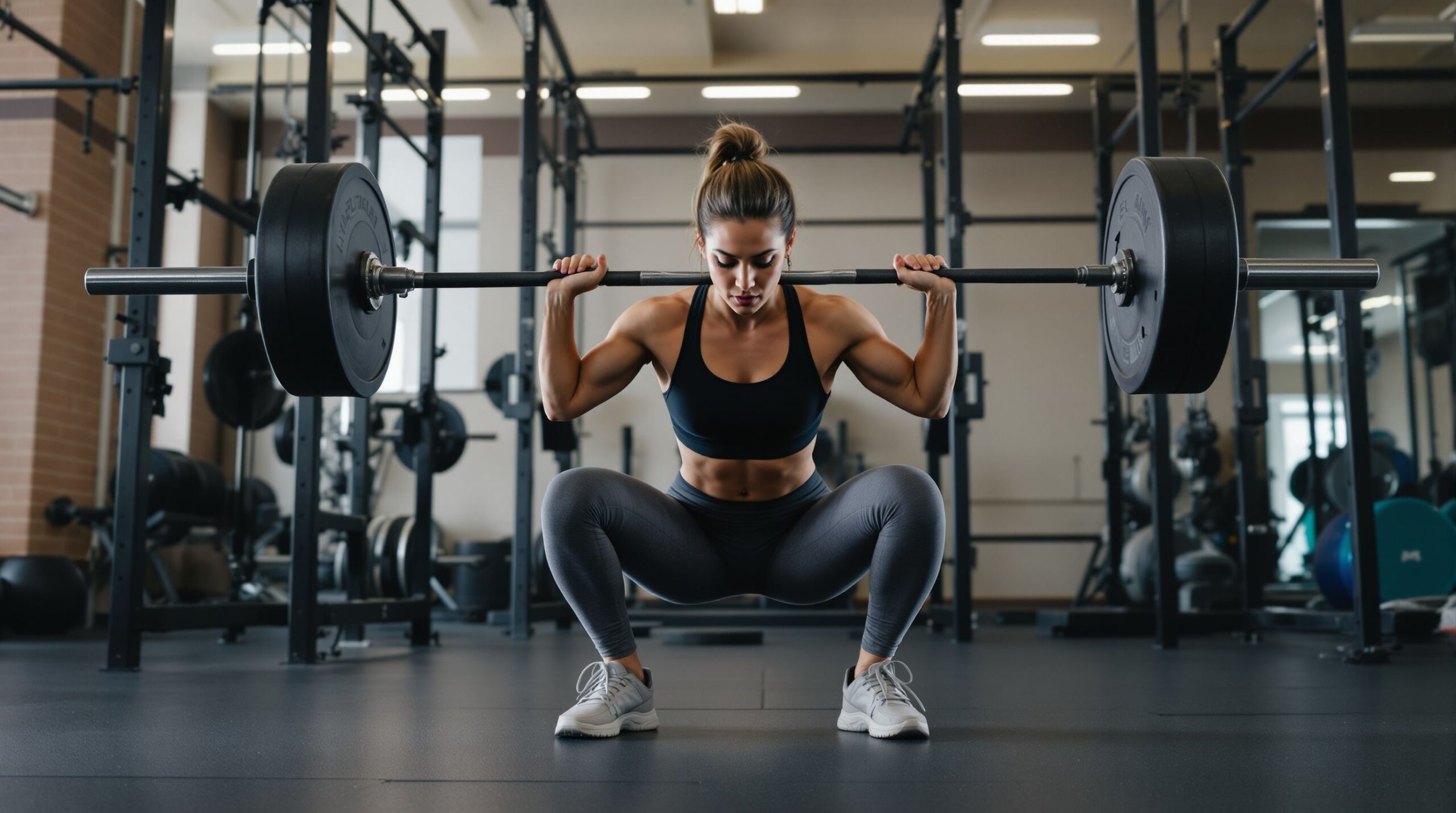
The idea that strength automatically leads to bulk is one of the most common misconceptions in fitness. Many people—especially women and endurance athletes—want to build strength, power, and muscle tone without increasing overall mass. The truth is, you can absolutely grow stronger, more defined, and more capable without looking bulky. Strength without size comes down to understanding how your body adapts to resistance training and how to tailor your workouts, nutrition, and recovery to emphasize power and performance rather than hypertrophy. Building strength without bulking isn’t about doing endless cardio or avoiding weights altogether—it’s about training smarter. With the right balance of resistance, intensity, and recovery, you can enhance muscle efficiency, improve stability, and increase functional strength while maintaining a lean, athletic physique.
A: Keep calories at maintenance, use low-rep sets, longer rests, and modest total volume.
A: Mostly 3–6 reps for compounds; 6–8 for accessories with only 1–2 sets each.
A: Yes—prefer easy Zone 2 runs or cycles on non-lifting days, keep intervals away from heavy legs.
A: If scale/measurements climb and pumps linger, trim accessory sets first.
A: No. Stop with 1–3 reps in reserve on most sets; reserve grinders for testing only.
A: Squat or trap-bar deadlift, hip hinge (RDL), horizontal/vertical push, row, and a carry.
A: It can add small intracellular water; most people don’t notice visible “bulk.”
A: Neural gains show in 2–4 weeks; steady PRs of 2.5–5 lb are perfect.
A: Reduce volume, swap in trap-bar or goblet variations, and add technique/speed practice.
A: 3 full-body days (Mon/Wed/Fri) with low set counts and focused compounds.
The Science Behind Strength Without Bulk
To understand how to build strength without adding significant muscle mass, it helps to know what causes muscle growth in the first place. When you train with resistance, you create small amounts of stress on the muscle fibers. The body responds by repairing and reinforcing them, a process known as hypertrophy. However, not all strength training is geared toward hypertrophy. The way you train—specifically your sets, reps, and intensity—determines whether your muscles grow larger or simply become stronger and more efficient.
Strength gains can happen through neurological adaptation, meaning your nervous system becomes better at recruiting muscle fibers to perform a task. You become more coordinated, your muscles fire faster, and your movements become more powerful without necessarily increasing muscle volume. This neural adaptation is what allows powerlifters, sprinters, and gymnasts to develop extraordinary strength relative to their size. If you focus on improving muscle efficiency rather than muscle size, you’ll experience dramatic increases in power, endurance, and control—without noticeable bulk. This distinction is key: hypertrophy training builds size, while neural training builds strength.
Smart Training: How to Structure Your Workouts
The way you structure your workouts is the foundation of building lean strength. To enhance strength without bulk, focus on low to moderate repetitions with heavier resistance, longer rest intervals, and precise form. The goal is to train your nervous system, not exhaust your muscles to failure. For most people, performing three to five sets of three to six repetitions per exercise is ideal. This rep range allows you to lift heavy enough to stimulate your nervous system but not so much volume that it triggers significant muscle growth. The rest between sets should be two to three minutes to ensure your muscles and energy systems fully recover before the next lift. Compound movements should be your cornerstone—exercises like squats, deadlifts, pull-ups, and push-ups. These recruit multiple muscle groups and improve functional strength, coordination, and stability. Isolation movements have their place but should be secondary to compound lifts. Training frequency also matters. Three to four sessions per week give your body enough stimulus to grow stronger while allowing full recovery. It’s not about lifting every day—it’s about quality over quantity. With consistent progression, you’ll find your muscles becoming denser and your strength levels climbing, without any unwanted size gain.
The Role of Cardio and Conditioning
Cardiovascular exercise can be a secret weapon for maintaining lean strength. When used strategically, it helps regulate body composition and prevent muscle bulk while enhancing endurance and metabolic health. The key is balancing intensity and volume.
High-intensity interval training (HIIT) is one of the most effective tools for this goal. Short bursts of effort followed by rest periods improve cardiovascular capacity, torch calories, and encourage the body to use fat for fuel rather than build excess muscle. Activities like sprint intervals, rowing, and cycling are excellent options.
Steady-state cardio, like jogging or swimming, can also complement strength work, especially for individuals who want to maintain a lighter, more athletic frame. However, too much long-duration cardio can interfere with strength gains, so moderation is key. The best approach combines resistance training with one to three cardio sessions per week to balance strength, endurance, and leanness.
Nutrition for Lean Power
Nutrition is just as important as training when it comes to building strength without bulk. The foods you eat determine how your body recovers, builds, and maintains muscle tissue. For those aiming for lean strength, the focus should be on maintenance-level calories with high protein intake, balanced carbohydrates, and healthy fats. Protein remains essential because it supports muscle repair and recovery. However, consuming excess calories or large surpluses of protein can lead to muscle hypertrophy. Instead, aim for a steady intake spread evenly throughout the day—sources like chicken, fish, eggs, tofu, and legumes are ideal.
Carbohydrates provide energy for intense training but should come primarily from whole grains, fruits, and vegetables. Keeping carb intake moderate helps prevent fat gain while still fueling performance. Healthy fats from avocados, nuts, and olive oil help regulate hormones that influence strength and recovery.
Hydration is equally critical. Muscles function best when well-hydrated, and dehydration can sap energy and performance. Drink water consistently throughout the day, particularly before and after workouts.
If your goal is strength without size, the main rule is simple: eat to perform, not to bulk. Fuel your workouts, recover effectively, and keep your caloric intake aligned with your activity level.
The Importance of Recovery and Adaptation
Recovery is where the magic happens. When you train, you break down muscle fibers and stress your nervous system. During rest, your body repairs, adapts, and strengthens. Neglecting recovery not only hinders progress but can also lead to fatigue, injury, and plateaus.
For lean strength, prioritize active recovery—low-intensity movement such as stretching, walking, or yoga. These activities promote circulation, reduce muscle tightness, and help your nervous system recalibrate. Sleep, too, is an essential part of this equation. Aim for seven to nine hours per night to allow full restoration of muscle and neural systems. Avoid overtraining, which can lead to muscle loss, hormonal imbalance, and decreased strength. You should leave the gym feeling strong and energized, not depleted. Incorporating deload weeks—periods where you reduce volume or intensity—every few months can help maintain long-term progress without strain.
Training for Function and Control
Building strength without bulk isn’t just about lifting heavy; it’s also about moving well. Functional strength focuses on control, balance, and coordination—skills that carry over into real life and enhance athletic performance.
Incorporate mobility work and stability exercises into your routine. Movements like single-leg deadlifts, planks, and rotational core exercises train your stabilizer muscles and improve overall control. These types of exercises reinforce your ability to generate power efficiently without relying on muscle size.
Bodyweight movements can be particularly effective. Gymnasts and calisthenics athletes are prime examples of lean strength—they possess incredible control and power without excess muscle mass. Exercises such as handstands, pull-ups, and dips challenge your body’s strength-to-weight ratio and emphasize coordination.
Flexibility training and proper warm-ups also play an important role in lean strength development. A body that moves freely and efficiently can perform with greater force and less effort. The result is a sleek, strong, and balanced physique that performs as well as it looks.
The Mindset of Sustainable Strength
Strength without bulk is not just a physical pursuit—it’s a mindset. It requires patience, consistency, and the understanding that results come from long-term commitment, not quick fixes. Progress may not always show up as visual changes, but it will reveal itself in the way you move, feel, and perform.
Focusing on the process rather than aesthetics keeps motivation alive. Track your progress in terms of performance—how many pull-ups you can do, how your squat form improves, how much easier it feels to carry groceries or run up stairs. These are the real indicators of functional strength.
Confidence grows when you realize that strength is about ability, not appearance. Every rep, every lift, and every drop of sweat is an investment in capability. Strength training, when approached with balance and purpose, becomes less about building a body that looks strong and more about becoming someone who lives strong.
The Art of Balance
The journey to build strength without bulking up is one of balance—between effort and recovery, between intensity and control, between performance and aesthetics. It’s a process of refining your body’s power without overwhelming it with mass. By focusing on neurological adaptation, structured training, mindful nutrition, and recovery, you can cultivate strength that feels effortless yet enduring. The result is a lean, athletic body that performs with power, precision, and grace. True strength is not about size—it’s about what you can do with the body you have. When you build strength intelligently, you gain more than muscle; you gain mastery, confidence, and the enduring capability to move through life with power and purpose.