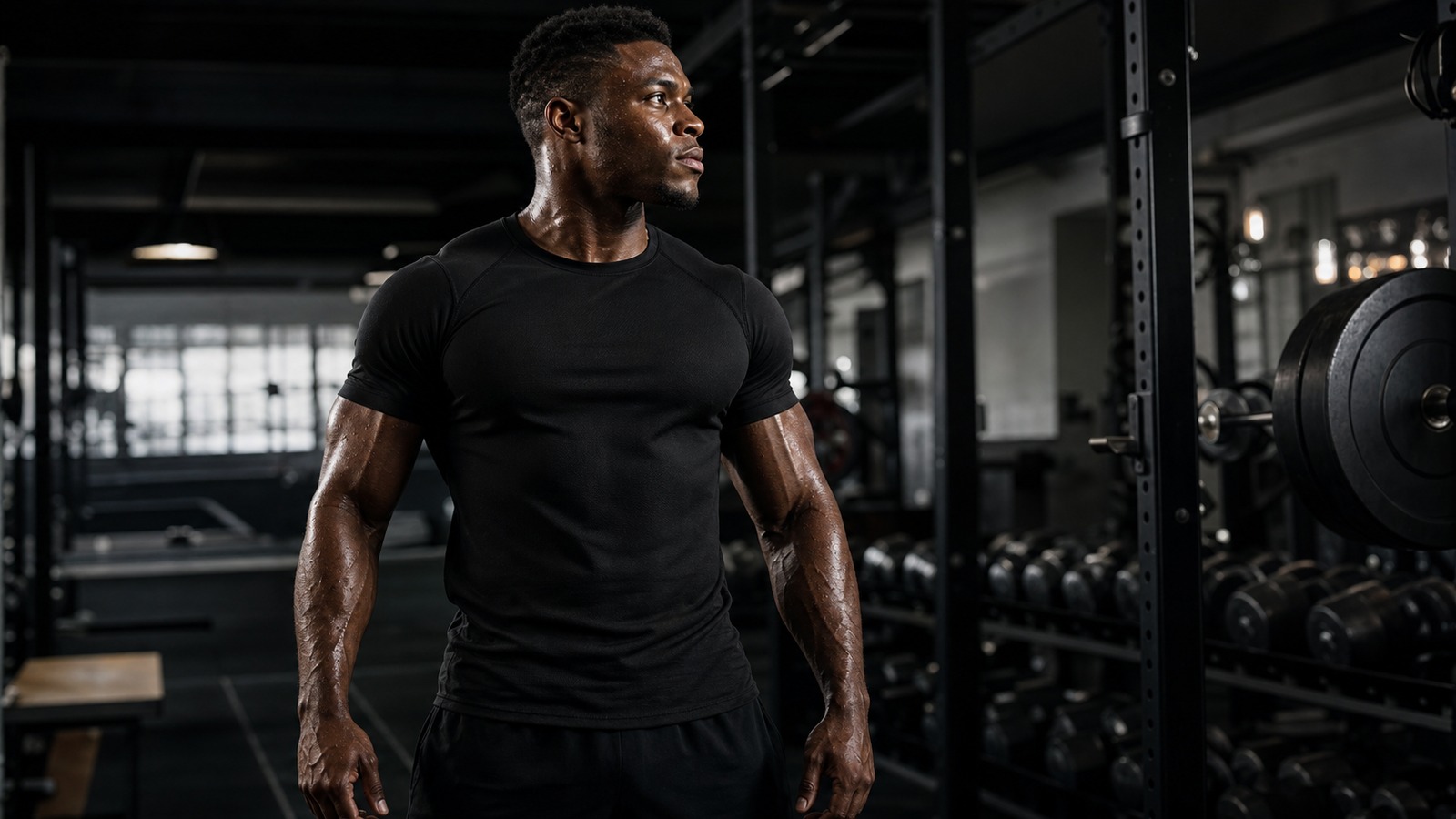
How to Use Focus Under Pressure to build a competitive edge is not just another fitness phrase. It is a way to understand how your training decisions, daily energy, confidence, recovery, and environment work together. For anyone exploring Athlete Mindset, the most useful starting point is clarity: what matters, what does not, and what can be practiced this week. This guide takes a practical field guide built around everyday training decisions. Instead of treating progress like a burst of motivation, it looks at the practical systems that make better workouts easier to repeat. You will see how to turn the topic into simple cues, smarter choices, and a routine that supports performance without adding unnecessary complexity.
A: Start with the smallest version you can repeat and build from there.
A: Use the next scheduled session as the reset instead of waiting for perfect energy.
A: Look for better consistency and cleaner effort before chasing dramatic changes.
A: Track only the signals that help you make better training decisions.
A: Protect the habit, even if the workout has to be shorter.
A: Yes, the same principles work with simple equipment and limited space.
A: Pick one cue, apply it, and review the result after the workout.
A: Resume with a manageable session and avoid punishing yourself with extra volume.
A: You will notice steadier effort, fewer skipped sessions, and clearer recovery patterns.
A: Apply one lesson from How to Use Focus Under Pressure to build a competitive edge to your next workout and write down what happens.
Understanding How to Use Focus Under Pressure to build a competitive edge Without the Noise
In practice, how to use focus under pressure to build a competitive edge becomes easier when you connect the idea to decisions you already make. This article uses a practical field guide built around everyday training decisions, so the focus stays on actions you can test immediately. Over several weeks, those cues create a feedback loop. You notice what helps, adjust what drains you, and build a routine that feels earned rather than forced. Instead of chasing a dramatic reset, focus on repeatable cues: what you do before training, how you pace the session, and how you recover afterward. Small improvements compound because they are simple enough to repeat.
In practice, how to use focus under pressure to build a competitive edge becomes easier when you connect the idea to decisions you already make. This article uses a practical field guide built around everyday training decisions, so the focus stays on actions you can test immediately. Instead of chasing a dramatic reset, focus on repeatable cues: what you do before training, how you pace the session, and how you recover afterward. This is especially important for non-experts because fitness advice often arrives as extremes, while real progress usually comes from better defaults. The result is a plan that feels calmer, clearer, and easier to sustain.
How Stress, Energy, and Confidence Shape Performance
A strong routine does not remove hard days; it gives you a better response when those days show up. This article uses a practical field guide built around everyday training decisions, so the focus stays on actions you can test immediately. This is especially important for non-experts because fitness advice often arrives as extremes, while real progress usually comes from better defaults. Instead of chasing a dramatic reset, focus on repeatable cues: what you do before training, how you pace the session, and how you recover afterward. It gives you a way to train with confidence even when motivation is uneven.
How Stress, Energy, and Confidence Shape Performance starts with a simple truth: the best fitness plan is the one your body and mind can repeat. This article uses a practical field guide built around everyday training decisions, so the focus stays on actions you can test immediately. That means looking at sleep, warmups, food, confidence, stress, and schedule pressure as connected parts of the same performance picture. This is especially important for non-experts because fitness advice often arrives as extremes, while real progress usually comes from better defaults. Small improvements compound because they are simple enough to repeat.
Small Practice Shifts With Big Payoff
When people hear How to Use Focus Under Pressure to build a competitive edge, they often imagine a single trick, but the real value is a system. This article uses a practical field guide built around everyday training decisions, so the focus stays on actions you can test immediately. This is especially important for non-experts because fitness advice often arrives as extremes, while real progress usually comes from better defaults. Instead of chasing a dramatic reset, focus on repeatable cues: what you do before training, how you pace the session, and how you recover afterward. That is the Fitness Streets approach: useful, grounded, and built for real life.
A strong routine does not remove hard days; it gives you a better response when those days show up. This article uses a practical field guide built around everyday training decisions, so the focus stays on actions you can test immediately. Over several weeks, those cues create a feedback loop. You notice what helps, adjust what drains you, and build a routine that feels earned rather than forced. Instead of chasing a dramatic reset, focus on repeatable cues: what you do before training, how you pace the session, and how you recover afterward. That is the Fitness Streets approach: useful, grounded, and built for real life.
Common Misreads That Slow Progress
In practice, how to use focus under pressure to build a competitive edge becomes easier when you connect the idea to decisions you already make. This article uses a practical field guide built around everyday training decisions, so the focus stays on actions you can test immediately. A workout that looks perfect on paper can still fail if it ignores energy, attention, recovery, or the small frictions that make consistency difficult. Over several weeks, those cues create a feedback loop. You notice what helps, adjust what drains you, and build a routine that feels earned rather than forced. Small improvements compound because they are simple enough to repeat.
When people hear How to Use Focus Under Pressure to build a competitive edge, they often imagine a single trick, but the real value is a system. This article uses a practical field guide built around everyday training decisions, so the focus stays on actions you can test immediately. That means looking at sleep, warmups, food, confidence, stress, and schedule pressure as connected parts of the same performance picture. Instead of chasing a dramatic reset, focus on repeatable cues: what you do before training, how you pace the session, and how you recover afterward. That is how the idea moves from interesting information into practical progress.
A Weekly Rhythm for Better Consistency
A Weekly Rhythm for Better Consistency starts with a simple truth: the best fitness plan is the one your body and mind can repeat. This article uses a practical field guide built around everyday training decisions, so the focus stays on actions you can test immediately. Over several weeks, those cues create a feedback loop. You notice what helps, adjust what drains you, and build a routine that feels earned rather than forced. Over several weeks, those cues create a feedback loop. You notice what helps, adjust what drains you, and build a routine that feels earned rather than forced. Small improvements compound because they are simple enough to repeat.
For Athlete Mindset, progress usually comes from noticing patterns before they become problems. This article uses a practical field guide built around everyday training decisions, so the focus stays on actions you can test immediately. Instead of chasing a dramatic reset, focus on repeatable cues: what you do before training, how you pace the session, and how you recover afterward. That means looking at sleep, warmups, food, confidence, stress, and schedule pressure as connected parts of the same performance picture. That is how the idea moves from interesting information into practical progress.
What Success Looks Like Over Time
A strong routine does not remove hard days; it gives you a better response when those days show up. This article uses a practical field guide built around everyday training decisions, so the focus stays on actions you can test immediately. A workout that looks perfect on paper can still fail if it ignores energy, attention, recovery, or the small frictions that make consistency difficult. The goal is to reduce guessing. When the next step is obvious, you spend less mental energy negotiating with yourself and more energy doing the work. The result is a plan that feels calmer, clearer, and easier to sustain.
For Athlete Mindset, progress usually comes from noticing patterns before they become problems. This article uses a practical field guide built around everyday training decisions, so the focus stays on actions you can test immediately. The goal is to reduce guessing. When the next step is obvious, you spend less mental energy negotiating with yourself and more energy doing the work. The goal is to reduce guessing. When the next step is obvious, you spend less mental energy negotiating with yourself and more energy doing the work. The result is a plan that feels calmer, clearer, and easier to sustain.
Bringing It All Together
How to Use Focus Under Pressure to build a competitive edge works best when it becomes part of a repeatable rhythm, not a one-time burst of inspiration. Choose one cue from this guide, connect it to your next workout, and watch how your confidence changes over the next two weeks. Fitness Streets readers do not need perfect conditions to move forward. They need a clear plan, honest feedback, and enough patience to let small wins become normal. When athlete mindset is practiced this way, progress feels less mysterious and much more controllable.
One final point is worth emphasizing for athlete mindset: the most effective strategy is the one you can repeat when life is busy. Keep the first version simple, observe how your body responds, and adjust the details only after you have evidence. This keeps the process honest, reduces frustration, and helps how to use focus under pressure to build a competitive edge become a useful part of your fitness identity instead of another idea you meant to try.
One final point is worth emphasizing for athlete mindset: the most effective strategy is the one you can repeat when life is busy. Keep the first version simple, observe how your body responds, and adjust the details only after you have evidence. This keeps the process honest, reduces frustration, and helps how to use focus under pressure to build a competitive edge become a useful part of your fitness identity instead of another idea you meant to try.
One final point is worth emphasizing for athlete mindset: the most effective strategy is the one you can repeat when life is busy. Keep the first version simple, observe how your body responds, and adjust the details only after you have evidence. This keeps the process honest, reduces frustration, and helps how to use focus under pressure to build a competitive edge become a useful part of your fitness identity instead of another idea you meant to try.
One final point is worth emphasizing for athlete mindset: the most effective strategy is the one you can repeat when life is busy. Keep the first version simple, observe how your body responds, and adjust the details only after you have evidence. This keeps the process honest, reduces frustration, and helps how to use focus under pressure to build a competitive edge become a useful part of your fitness identity instead of another idea you meant to try.
One final point is worth emphasizing for athlete mindset: the most effective strategy is the one you can repeat when life is busy. Keep the first version simple, observe how your body responds, and adjust the details only after you have evidence. This keeps the process honest, reduces frustration, and helps how to use focus under pressure to build a competitive edge become a useful part of your fitness identity instead of another idea you meant to try.