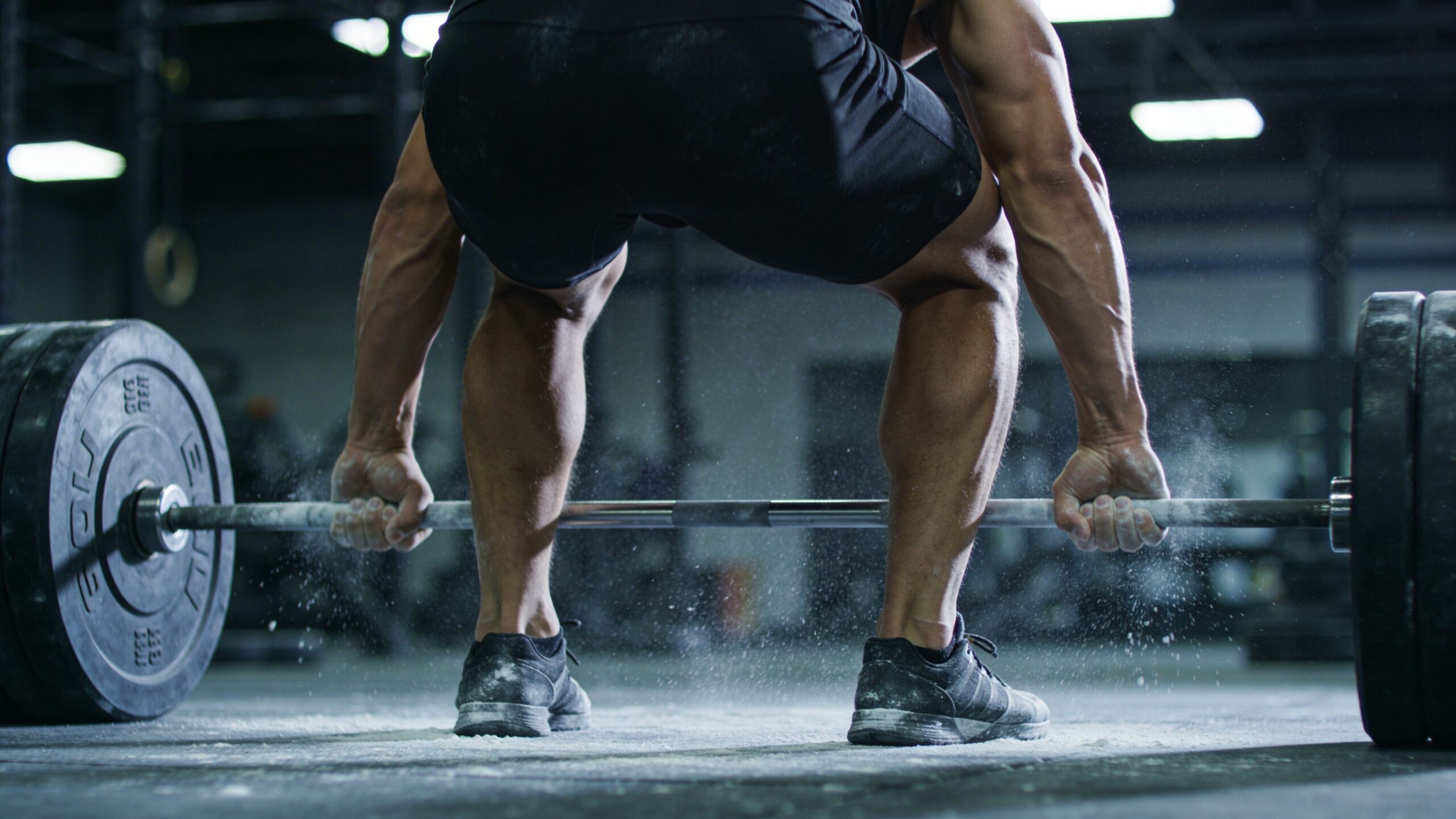
If you’ve spent any time researching muscle-building programs, you’ve likely encountered the push pull legs routine. It’s one of the most popular and time-tested training splits in strength and hypertrophy circles—and for good reason. The push pull legs split offers structure, balance, recovery efficiency, and enough flexibility to work for beginners and advanced lifters alike. When programmed correctly, it becomes a powerful engine for building muscle, increasing strength, and refining physique symmetry. At its core, the push pull legs routine divides training sessions based on movement patterns rather than isolated muscle groups. Push days target muscles responsible for pressing movements. Pull days focus on muscles that perform pulling actions. Leg days develop the lower body. This logical organization reduces overlap, allows adequate recovery, and maximizes training intensity across the week.
A: Yes—especially as a 3-day routine. Keep exercise selection simple and focus on form.
A: PPLPPL + rest is common, but any schedule that repeats and allows recovery works.
A: Typically 5–8 is enough: 2 compounds + a few accessories/isolation moves.
A: Mostly no. Save failure for isolation work; keep compounds at 1–3 reps in reserve.
A: Usually 45–75 minutes depending on volume and rest times.
A: Yes—place easy cardio on rest days or after lifting; avoid crushing leg recovery.
A: Add 2–6 direct sets per week for biceps/triceps and push closer to failure on those sets.
A: Don’t restart the week—just do the next session in the rotation and keep going.
A: Every 6–10 weeks or if progress stalls—swap angles/grips, not the entire routine.
A: Track loads/reps and aim to improve one small thing each week—performance is the proof.
Understanding the Science of Push, Pull, and Legs
To appreciate why the push pull legs routine works so well, it helps to understand the movement patterns behind it. On push day, you train muscles responsible for pushing weight away from your body. This includes the chest, shoulders, and triceps. Exercises like bench presses, overhead presses, dips, and chest fly variations dominate this session.
Pull day focuses on muscles that pull weight toward you. The back and biceps take center stage, including the lats, rhomboids, traps, rear delts, and arm flexors. Rows, pull-ups, lat pulldowns, and curls define this workout. Because these muscles assist each other during pulling motions, training them together creates efficiency and performance synergy.
Leg day targets the lower body, including quadriceps, hamstrings, glutes, and calves. Squats, lunges, deadlifts, leg presses, and hip thrusts drive this session. Since lower body muscles are large and metabolically demanding, dedicating a full day to them ensures adequate stimulus and recovery.
This movement-based split reduces interference between sessions. For example, your triceps assist during chest pressing. If you trained chest one day and shoulders the next, your triceps might still be fatigued. With a push day structure, all pushing muscles are trained together, allowing for complete recovery before the next push session.
Structuring Your Weekly Push Pull Legs Routine
One of the biggest advantages of the push pull legs split is flexibility. The classic structure follows a six-day rotation: push, pull, legs, rest, then repeat. This frequency allows each muscle group to be trained twice per week, which research consistently supports as ideal for hypertrophy.
However, not everyone can commit to six days in the gym. A three-day version—push on Monday, pull on Wednesday, legs on Friday—works well for those with limited time. A four-day variation might rotate push, pull, rest, legs, rest, then repeat the following week.
The key principle is balanced volume. Each session should include one to two compound lifts followed by accessory movements that target supporting muscles. Compound exercises provide the primary growth stimulus, while accessories refine shape and address weaknesses.
A typical push workout might begin with barbell bench press for three to four sets of six to eight reps. Overhead presses follow, then incline dumbbell presses, lateral raises, and triceps extensions. Pull day might open with deadlifts or barbell rows, followed by pull-ups, cable rows, face pulls, and biceps curls. Leg day often starts with squats, then moves into Romanian deadlifts, leg presses, hamstring curls, and calf raises.
Rest intervals should match your goal. For strength-focused sets, rest two to three minutes. For hypertrophy-focused accessories, sixty to ninety seconds often works well. This structure balances intensity and recovery while keeping workouts efficient.
Maximizing Muscle Growth Through Progressive Overload
The push pull legs routine is only as effective as your progression strategy. Muscle growth requires progressive overload—gradually increasing stress placed on the muscles over time. Without progression, your body adapts and growth stalls.
Progressive overload can be achieved by increasing weight, adding repetitions, improving form, extending time under tension, or increasing total training volume. For example, if you bench press 185 pounds for eight reps this week, aim for nine or ten reps next week before increasing weight.
Tracking workouts becomes essential. Recording sets, reps, and loads ensures that each session builds on the previous one. Small weekly improvements compound dramatically over months of consistent training.
Another critical factor is managing fatigue. The push pull legs split allows high weekly volume, but excessive intensity can lead to overtraining. Leaving one to two repetitions in reserve on most sets preserves performance across the week. Training to failure occasionally can stimulate growth, but doing so on every set reduces recovery capacity.
Nutrition supports progression. Adequate protein intake—roughly 0.7 to 1 gram per pound of body weight—provides the building blocks for muscle repair. Caloric intake should align with goals. A slight caloric surplus supports hypertrophy, while maintenance or slight deficit supports recomposition or fat loss phases.
Push Day: Building Powerful Pressing Strength
Push day sets the tone for upper-body development. It targets the chest, shoulders, and triceps—muscles responsible for pressing movements that define upper-body aesthetics and performance.
The bench press remains a foundational exercise for chest development. It recruits multiple muscle groups and allows for measurable strength progression. Variations such as incline presses shift emphasis to the upper chest, creating balanced development.
Overhead pressing builds shoulder mass and stability. Whether performed with a barbell or dumbbells, this movement strengthens the anterior and medial deltoids while engaging the core for stabilization.
Accessory work refines detail. Lateral raises enhance shoulder width, while triceps pushdowns and skull crushers add arm thickness. Incorporating controlled tempo and full range of motion ensures maximum muscle activation.
Push day success relies on prioritizing compound lifts first, maintaining strict form, and managing volume to avoid shoulder strain. Rotating exercises every few months prevents plateaus and supports joint health.
Pull Day: Sculpting a Strong, Wide Back
Pull day develops the muscles that create width and thickness across the upper body. A strong back not only enhances appearance but also supports posture, spinal health, and pressing performance.
Deadlifts or heavy rows typically anchor this session. These compound lifts stimulate the posterior chain, including the lats, traps, and spinal erectors. Pull-ups and lat pulldowns emphasize vertical pulling strength and contribute to V-shaped back development.
Horizontal rowing variations, such as seated cable rows or chest-supported rows, improve mid-back thickness. Face pulls and rear delt fly movements strengthen the often-neglected posterior deltoids, balancing shoulder development.
Biceps work finishes the session. While they assist during pulling movements, direct curls stimulate additional hypertrophy. Alternating between barbell curls, hammer curls, and incline curls prevents adaptation and keeps growth steady.
Pull day is essential for long-term structural balance. Many lifters overemphasize pushing exercises, leading to rounded shoulders and muscular imbalances. A strong pull day corrects posture and enhances overall strength symmetry.
Leg Day: The Foundation of Total-Body Power
Leg day is often the most physically demanding session in a push pull legs routine. The lower body contains the largest muscle groups, and training them stimulates significant hormonal and metabolic responses.
Squats form the backbone of most leg sessions. They activate quadriceps, glutes, hamstrings, and core stabilizers. Proper depth and controlled tempo maximize muscle engagement while protecting the knees and lower back.
Romanian deadlifts and hip thrusts emphasize the posterior chain, building powerful glutes and hamstrings. Lunges improve balance and unilateral strength, reducing asymmetries between legs.
Accessory exercises like leg curls, leg extensions, and calf raises refine muscle detail and support joint stability. Because leg workouts are taxing, adequate recovery and nutrition become even more critical.
Training legs intensely enhances overall athleticism and caloric expenditure. Strong legs translate into improved performance across all lifts and daily movements.
Turning the Split Into a Long-Term Strategy
The push pull legs routine is more than a short-term program. When structured thoughtfully, it becomes a sustainable long-term strategy for muscle growth and strength development. Over months and years, small incremental improvements compound into dramatic transformations. Periodization enhances longevity. Alternating between higher-volume hypertrophy phases and lower-rep strength phases keeps training stimulating and prevents stagnation. Deload weeks—reducing intensity and volume temporarily—allow recovery and prevent burnout. Consistency remains the most powerful driver of results. Many lifters jump between programs chasing novelty. The push pull legs split thrives on disciplined repetition and gradual progression. Mastering the basics, refining technique, and steadily increasing workload produce reliable outcomes. Recovery must always match ambition. Sleep, stress management, hydration, and proper nutrition determine how effectively your body adapts. Ignoring recovery undermines even the best-designed routine. Ultimately, the push pull legs routine offers clarity. Each session has a purpose. Each week builds momentum. By organizing training around fundamental movement patterns, you eliminate confusion and focus on measurable progress. If your goal is to build muscle, increase strength, and create a balanced physique, this split provides a proven framework. Stay patient, track your progress, fuel your body, and allow consistency to compound. The ultimate muscle-building split is not about complexity. It’s about structure, intensity, and commitment applied over time.