Walk into any gym, and you will see two types of people. One group moves with purpose, energy, and focus, pushing through every set with intensity. The other drags through workouts, fatigued before they even begin. The difference often has nothing to do with motivation or discipline. It comes down to fuel. Pre-workout nutrition is one of the most overlooked yet powerful tools for improving energy, endurance, strength, and overall performance. What you eat before a workout determines how your body produces energy, how efficiently your muscles contract, and how long you can sustain effort without crashing. When done right, pre-workout fueling turns an average session into a high-performance experience where strength increases, endurance improves, and recovery begins before the workout even ends.
A: Choose something small and easy to digest, like a banana, applesauce, or rice cakes with honey.
A: Some people tolerate it, but many perform better with at least a light snack beforehand.
A: Carbs usually matter more for immediate energy, while protein is a helpful add-on.
A: Very greasy, high-fat, high-fiber, or overly large meals are more likely to upset your stomach.
A: It can be for energy and focus, but only if you tolerate caffeine well.
A: A meal with carbs and some protein, such as oatmeal with fruit or a turkey sandwich, often works well.
A: Light, quick carbs like fruit, toast, or pretzels are often easier before cardio sessions.
A: Larger meals usually need 2–3 hours, while smaller snacks can work 30–60 minutes before exercise.
A: Not necessarily; many effective pre-workout foods come straight from a normal kitchen.
A: Eat easy carbs, stay hydrated, and keep the meal size matched to how soon you plan to train.
The Science of Energy: How Your Body Powers Movement
To understand the best pre-workout foods, it helps to understand how your body actually generates energy. Every movement you make, from lifting weights to sprinting, relies on adenosine triphosphate, or ATP. Your body produces ATP using carbohydrates, fats, and sometimes protein. However, for high-intensity exercise, carbohydrates are the primary fuel source. When you eat carbs, they are broken down into glucose and stored as glycogen in your muscles and liver. During exercise, your body taps into these glycogen stores to produce quick, usable energy. When glycogen is low, performance drops, fatigue sets in faster, and your workout feels harder than it should. That is why strategic pre-workout nutrition focuses heavily on replenishing glycogen, stabilizing blood sugar, and preparing your body for peak output.
Carbohydrates That Ignite Performance and Endurance
Carbohydrates are the cornerstone of any effective pre-workout meal. They provide fast and efficient energy, especially for resistance training, high-intensity interval training, and endurance workouts. The key is choosing the right type of carbohydrates based on timing and intensity. Simple carbohydrates digest quickly and are ideal for shorter windows before exercise. Foods like bananas, white rice, or a slice of toast can rapidly elevate blood sugar and provide immediate fuel. On the other hand, complex carbohydrates digest more slowly and are better suited for meals eaten one to three hours before a workout. Oats, quinoa, sweet potatoes, and whole grains provide sustained energy, helping you avoid mid-workout crashes.
Timing plays a critical role here. Eating a carb-rich meal too close to your workout can lead to sluggishness, while eating too far in advance may leave you depleted. The sweet spot typically falls between 30 minutes and two hours before exercise, depending on the size and composition of the meal. When carbohydrates are properly timed, they act like high-octane fuel, allowing you to lift heavier, run faster, and train longer with greater efficiency.
Protein Power: Building Strength Before You Even Start
While carbohydrates provide energy, protein sets the stage for muscle performance and recovery. Consuming protein before a workout ensures that amino acids are readily available in your bloodstream, which can reduce muscle breakdown and support muscle protein synthesis. This is particularly important for strength training and hypertrophy-focused workouts.
Lean protein sources such as chicken, turkey, eggs, Greek yogurt, or protein shakes are excellent options before training. They are easy to digest and provide a steady release of amino acids without weighing you down. Combining protein with carbohydrates creates a powerful synergy. The carbs fuel your workout, while the protein protects and prepares your muscles for growth. This combination not only improves performance but also accelerates recovery, allowing you to train more consistently over time.
The Role of Healthy Fats in Sustained Energy
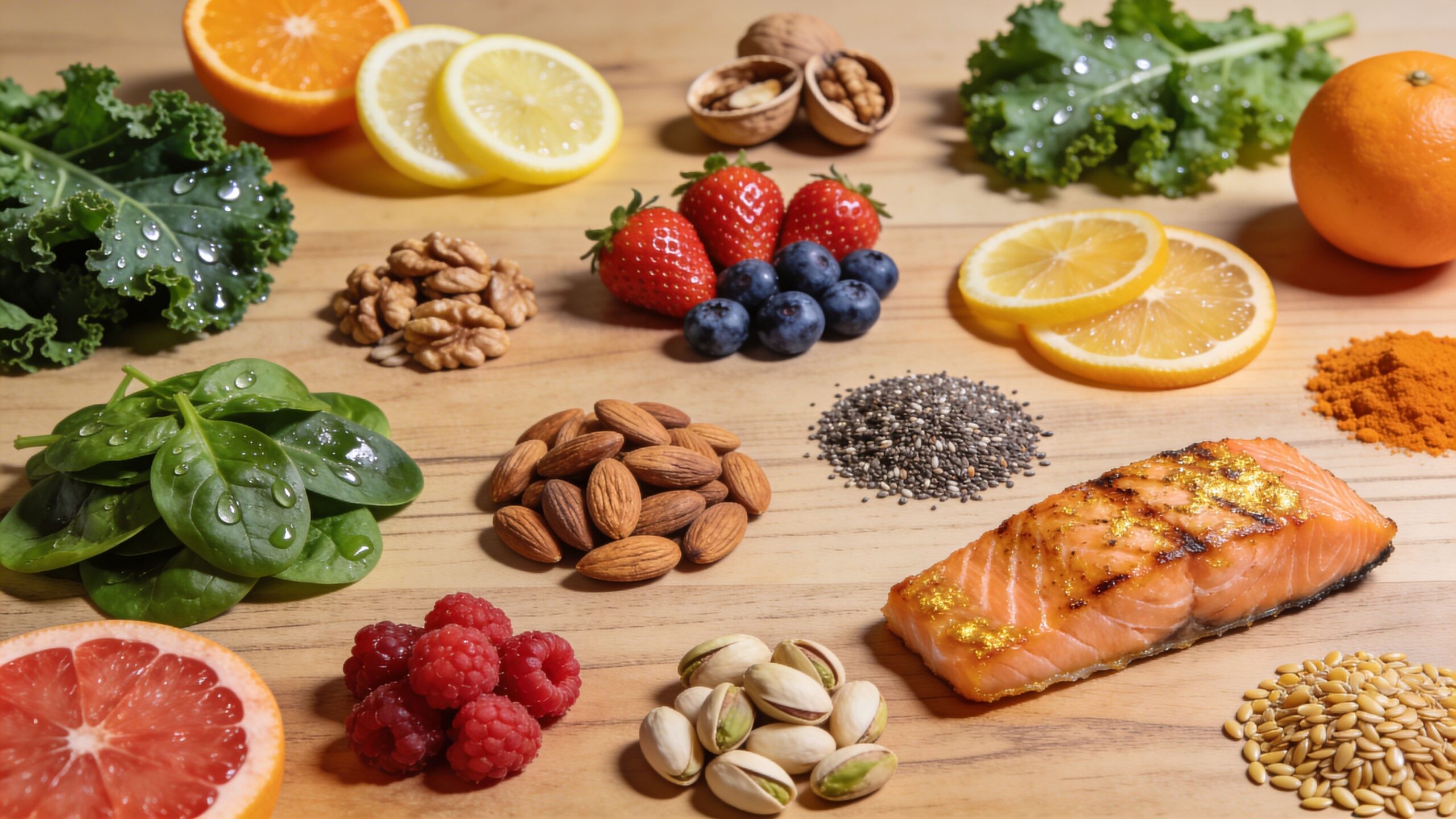
Fats often get overlooked in pre-workout nutrition, but they play a valuable role, especially for longer and lower-intensity workouts. Healthy fats provide a slow-burning source of energy, helping maintain endurance over extended periods. Foods like avocados, nuts, seeds, and nut butters can be beneficial when consumed in moderation.
However, fats digest more slowly than carbohydrates and protein, which means they should be consumed further away from your workout. Eating a high-fat meal right before exercise can lead to sluggishness or digestive discomfort. Instead, incorporating small amounts of healthy fats into a balanced meal one to three hours before training can provide steady energy without interfering with performance. When used strategically, fats help stabilize energy levels and prevent sudden drops in blood sugar during longer sessions.
Hydration and Electrolytes: The Hidden Performance Edge
Even the best pre-workout meal will fall short if hydration is neglected. Water is essential for nearly every physiological process involved in exercise, including temperature regulation, nutrient transport, and muscle contractions. Dehydration, even at mild levels, can significantly impair strength, endurance, and mental focus.
Electrolytes such as sodium, potassium, and magnesium also play a critical role in maintaining fluid balance and preventing muscle cramps. Consuming water along with electrolyte-rich foods or beverages before a workout ensures that your body is fully prepared for physical stress. Fruits like bananas and oranges, as well as lightly salted meals, can help maintain proper electrolyte balance. Proper hydration enhances blood flow, improves oxygen delivery to muscles, and allows your body to perform at its highest capacity.
Smart Timing Strategies for Maximum Impact
One of the biggest mistakes people make is focusing solely on what they eat rather than when they eat. Timing can make or break your pre-workout nutrition strategy. Larger meals that include carbohydrates, protein, and fats should be consumed two to three hours before exercise. This allows enough time for digestion while ensuring that energy stores are fully replenished.
For those who train early in the morning or have limited time, smaller snacks become essential. A quick combination of easily digestible carbs and a small amount of protein, such as a banana with peanut butter or a protein shake with fruit, can provide immediate energy without causing discomfort. Listening to your body is key. Some individuals perform better with more food, while others prefer a lighter approach. The goal is to find a balance that maximizes energy while minimizing digestive strain.
High-Performance Food Combinations That Deliver Results
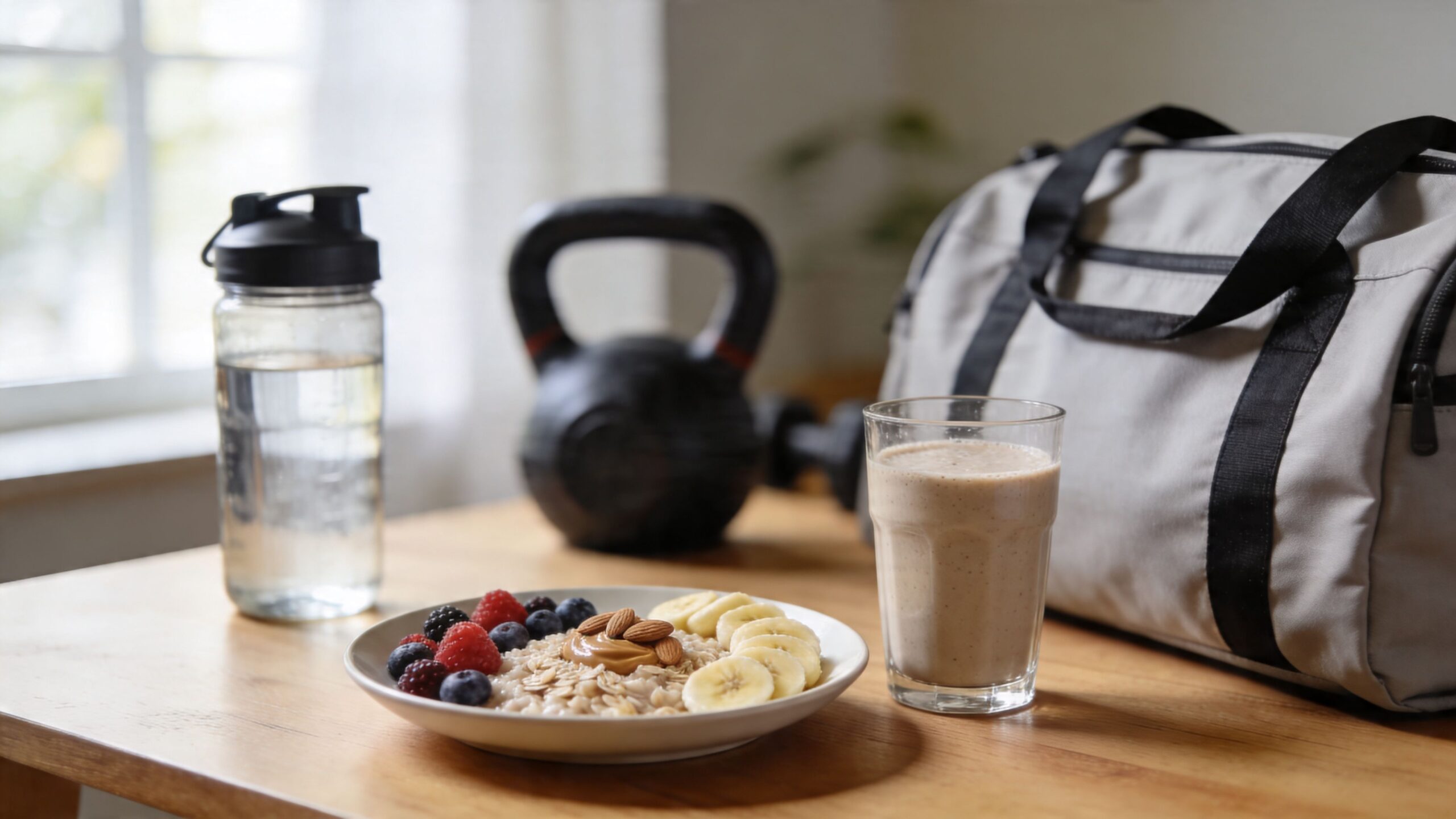
Certain food combinations consistently stand out when it comes to pre-workout performance. Oatmeal with fruit and a scoop of protein powder provides a balanced mix of complex carbohydrates, simple sugars, and protein. Chicken with rice and vegetables offers a classic, nutrient-dense option for those training later in the day. Greek yogurt with berries delivers quick energy along with protein for muscle support.
Smoothies have also become a popular pre-workout option due to their versatility and ease of digestion. Blending fruits, protein powder, and a liquid base such as milk or water creates a fast-absorbing meal that can be tailored to individual needs. Even simple choices like toast with almond butter or a handful of granola with a banana can be highly effective when timed correctly. The best pre-workout foods are not complicated. They are consistent, balanced, and aligned with your training goals.
Elevating Your Performance Through Smarter Fueling Choices
Pre-workout nutrition is not about perfection. It is about consistency, awareness, and strategic choices that align with your body’s needs. When you start viewing food as fuel rather than just sustenance, everything changes. Workouts become more productive, recovery becomes faster, and progress becomes more noticeable.
The best pre-workout foods are those that provide energy without discomfort, support muscle function, and enhance endurance. By prioritizing carbohydrates for fuel, protein for muscle support, healthy fats for sustained energy, and proper hydration for overall performance, you create a foundation that allows you to train at your highest level. Over time, these small, intentional choices compound into significant results. Strength increases, endurance improves, and workouts transform from routine tasks into powerful opportunities for growth.