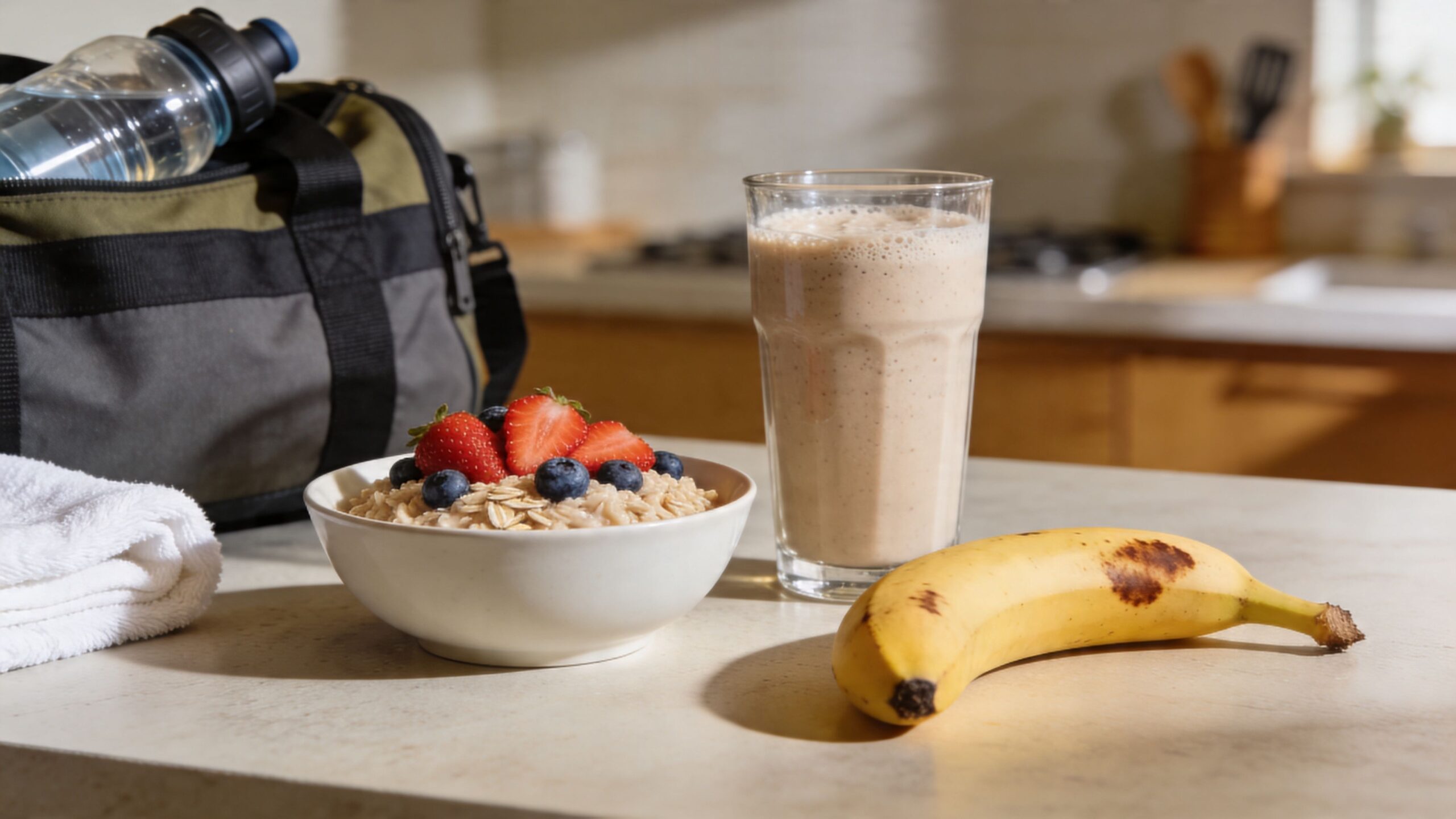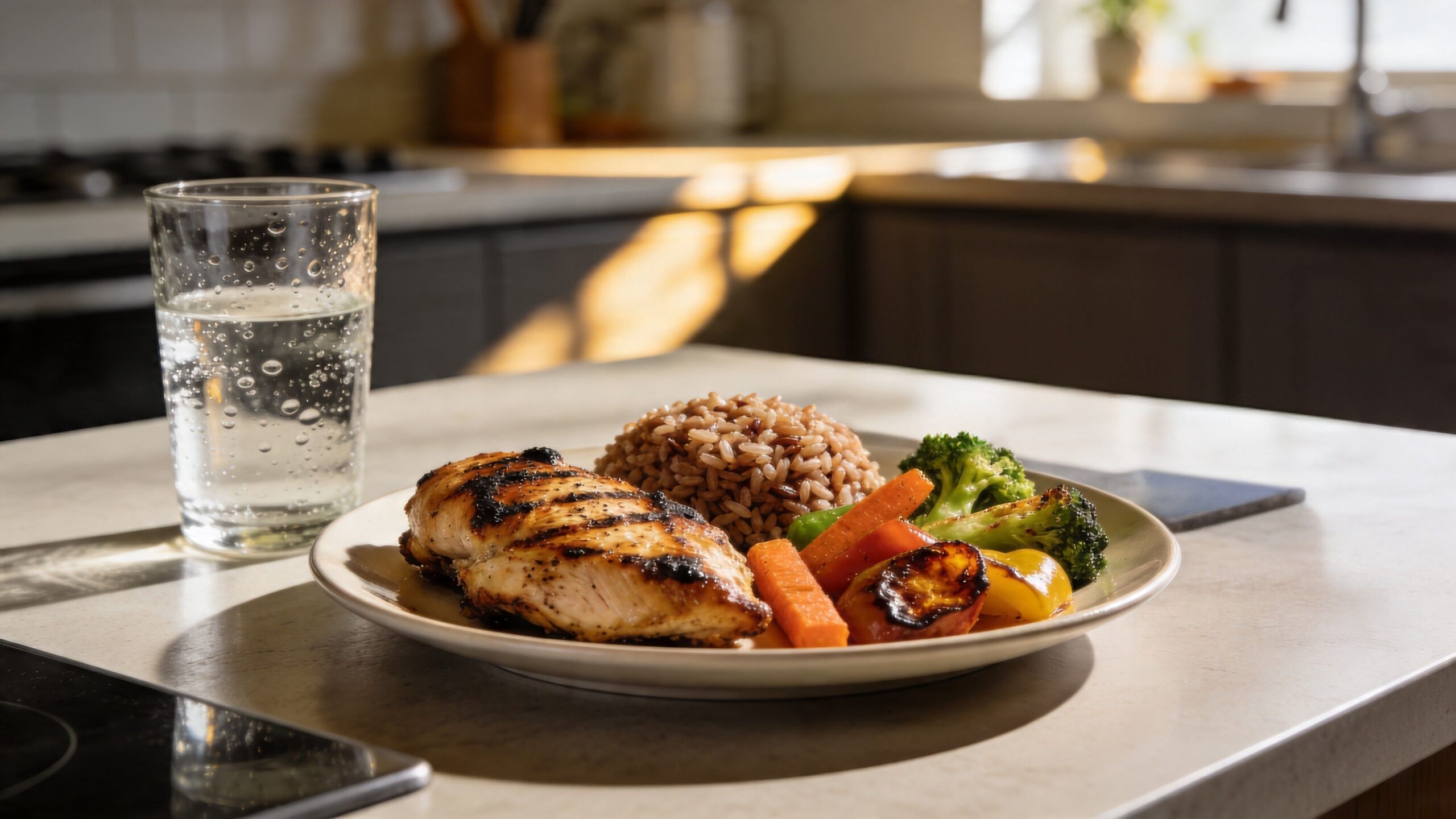
What you eat before a workout is not just a minor detail in your fitness routine. It is the foundation that determines how your body performs, how long you can sustain effort, and how effectively you recover afterward. Too often, people step into a workout underfueled, relying on willpower alone to push through fatigue. The result is sluggish performance, early burnout, and missed potential. Pre-workout nutrition changes that equation entirely. When you fuel your body with intention, you create the conditions for strength, endurance, and focus to thrive. Food is not just calories. It is information for your body. It signals your muscles to contract, your brain to stay sharp, and your energy systems to activate at the right time. Eating the right foods before exercise can mean the difference between dragging through a session and dominating it. The goal is not simply to eat more, but to eat smarter. When done correctly, pre-workout nutrition becomes a powerful tool that amplifies everything you do in the gym or on the field.
A: Choose something light and easy to digest, like a banana, applesauce, or toast with honey.
A: Usually yes; endurance often leans more carb-heavy, while strength does well with carbs plus some protein.
A: Some people tolerate it, but many perform better with at least a small snack beforehand.
A: Carbs are usually the priority for immediate energy, while protein is a useful support nutrient.
A: Very greasy, high-fat, very high-fiber, or oversized meals are more likely to cause stomach issues.
A: It can be if you tolerate caffeine well and do not get shaky or nauseous from it.
A: Large meals usually need 2–3 hours, while smaller snacks often work 30–60 minutes before training.
A: Oatmeal with fruit, Greek yogurt with berries, or a turkey sandwich can all work well.
A: Light carb foods like bananas, toast, applesauce, or dates are often great choices.
A: Eat easy carbs, add a little protein if needed, hydrate well, and leave enough time to digest.
Inside the Engine: How Your Body Uses Fuel During Exercise
To understand what to eat before a workout, you need to understand how your body generates energy. Every movement you make is powered by ATP, the body’s primary energy currency. ATP is produced from the breakdown of carbohydrates, fats, and in rare cases, protein. However, when intensity increases, carbohydrates become the dominant fuel source.
When you consume carbohydrates, they are converted into glucose and stored as glycogen in your muscles and liver. During exercise, your body taps into these glycogen stores to produce quick bursts of energy. When glycogen levels are high, your performance improves. When they are depleted, fatigue sets in quickly, and your ability to maintain intensity drops.
Fats also play a role, especially during longer, lower-intensity workouts. They provide a steady, slow-burning source of energy. Protein, while not a primary fuel source, supports muscle repair and helps prevent breakdown during training. The key to effective pre-workout nutrition is balancing these macronutrients in a way that supports your specific workout demands.
Carbohydrates That Drive Energy and Endurance
Carbohydrates are the backbone of any effective pre-workout meal. They provide the fast, accessible energy your body needs to perform at a high level. The type of carbohydrates you choose depends largely on timing and workout intensity.
If you are eating closer to your workout, simple carbohydrates are often the best choice. Foods like bananas, white rice, or a slice of toast digest quickly and provide immediate energy. These options help elevate blood sugar levels without sitting heavily in your stomach. They are ideal for workouts that require quick bursts of energy, such as weightlifting or high-intensity interval training.
For meals consumed earlier, complex carbohydrates offer a more sustained energy release. Oats, brown rice, sweet potatoes, and whole grains digest more slowly, providing a steady stream of glucose into the bloodstream. This helps maintain energy levels throughout longer workouts and prevents the dreaded mid-session crash.
The timing of carbohydrate intake is just as important as the type. Eating too early without replenishing can leave you depleted, while eating too close to your workout can cause discomfort. Finding the right balance allows carbohydrates to act as a powerful performance enhancer rather than a hindrance.
Protein Before Performance: Building Strength from the Start
While carbohydrates fuel your workout, protein prepares your muscles for the work ahead. Consuming protein before exercise ensures that amino acids are readily available in your bloodstream, helping to reduce muscle breakdown and support muscle repair.
This is especially important for strength training and resistance workouts. When you lift weights, you create small tears in your muscle fibers. Protein provides the building blocks needed to repair and strengthen those fibers, leading to increased muscle size and strength over time. By consuming protein before your workout, you create an environment where muscle growth can begin even before your session ends.
Good pre-workout protein sources include lean meats, eggs, Greek yogurt, and protein shakes. These options are relatively easy to digest and provide a steady release of amino acids. Pairing protein with carbohydrates creates a synergistic effect, where energy and muscle support work together to enhance performance and recovery.
The Strategic Role of Fats in Sustained Energy
Fats often get overlooked in pre-workout nutrition, but they play an important role in supporting endurance and overall energy balance. Unlike carbohydrates, fats digest slowly and provide a long-lasting source of energy. This makes them particularly useful for longer workouts or activities that require sustained effort.
Foods like avocados, nuts, seeds, and nut butters can be incorporated into pre-workout meals, especially when eaten a few hours before exercise. However, because fats take longer to digest, consuming too much too close to your workout can lead to sluggishness or digestive discomfort.
The key is moderation and timing. Including a small amount of healthy fats in a balanced meal can help stabilize blood sugar levels and provide a steady energy supply. When used correctly, fats complement carbohydrates and protein, creating a well-rounded nutritional strategy that supports both short bursts of power and long-term endurance.
Hydration and Electrolytes: The Silent Performance Boosters
Nutrition is only part of the equation. Hydration plays an equally important role in pre-workout preparation. Water is essential for maintaining blood volume, regulating body temperature, and supporting muscle contractions. Even mild dehydration can impair performance, reduce strength, and increase fatigue.
Electrolytes such as sodium, potassium, and magnesium help maintain fluid balance and support nerve function. When you sweat, you lose these essential minerals, which can lead to cramps, कमज कमज, and decreased performance if not replenished.
Drinking water consistently throughout the day and ensuring proper hydration before your workout can significantly improve your performance. Including electrolyte-rich foods or beverages can further enhance your body’s ability to maintain optimal function during exercise. Hydration is often overlooked, but it is one of the simplest and most effective ways to boost energy and endurance.
Timing It Right: When to Eat for Peak Performance
One of the most critical aspects of pre-workout nutrition is timing. Eating the right foods at the wrong time can be just as ineffective as eating the wrong foods altogether. The goal is to provide your body with enough fuel while allowing sufficient time for digestion.
For larger meals that include carbohydrates, protein, and fats, aim to eat two to three hours before your workout. This allows your body to digest the food and convert it into usable energy. These meals should be balanced and nutrient-dense, providing sustained energy for longer sessions.
If you are short on time, smaller snacks can be consumed 30 to 60 minutes before exercise. These should focus on easily digestible carbohydrates and a small amount of protein. Options like a banana with peanut butter or a quick smoothie can provide the energy you need without causing discomfort.
Individual preferences also play a role. Some people perform best with a full meal, while others prefer a lighter approach. Experimenting with different timing strategies can help you find what works best for your body and your training style.
High-Performance Fuel: Pre-Workout Meals That Deliver Results
When it comes to practical application, certain pre-workout meals consistently deliver strong results. A bowl of oatmeal topped with fruit and a scoop of protein powder provides a balanced mix of complex carbohydrates, simple sugars, and protein. This combination fuels your workout while supporting muscle function.
A meal of chicken, rice, and vegetables offers a classic approach to pre-workout nutrition. It provides sustained energy, lean protein, and essential nutrients that support overall performance. Greek yogurt with berries is another excellent option, delivering quick energy along with muscle-supporting protein.
Smoothies have become increasingly popular due to their convenience and versatility. Blending fruits, protein powder, and a liquid base creates a fast-digesting meal that can be customized to your needs. Even simple options like toast with nut butter or a handful of granola with fruit can be effective when timed correctly.
The best pre-workout meals are those that align with your goals, your schedule, and your body’s needs. Consistency is more important than perfection. By focusing on balanced, nutrient-dense foods and proper timing, you can create a routine that supports energy, strength, and endurance.
Turning Nutrition Into a Competitive Advantage
Pre-workout nutrition is not just about eating before exercise. It is about creating a strategy that allows your body to perform at its highest level. When you understand how different nutrients affect your energy systems, you gain the ability to control your performance in a meaningful way. Every workout becomes an opportunity to refine your approach, to experiment with timing, and to discover what fuels you best. Over time, these small adjustments lead to significant improvements in strength, endurance, and overall fitness. What once felt difficult becomes manageable, and what once seemed out of reach becomes achievable. By treating food as a tool for performance rather than just sustenance, you elevate your entire fitness experience. You move with more energy, train with greater intensity, and recover more efficiently. The right pre-workout nutrition does not just support your goals. It accelerates them, turning effort into progress and potential into results.