For beginners stepping into the world of fitness, the focus is often placed on workouts, routines, and motivation. While those elements are important, one of the most powerful performance tools is often overlooked: nutrition before exercise. Pre-workout nutrition is not reserved for elite athletes or bodybuilders. It is a fundamental component of energy, strength, and endurance that can dramatically influence how you feel and perform during a workout. When you eat before training, you are not just satisfying hunger. You are preparing your body for physical demand. The right foods can elevate your energy levels, sharpen your focus, and help you push through fatigue. Without proper fueling, even the best workout program can feel exhausting and ineffective. For beginners especially, this can lead to frustration and inconsistency. Understanding what actually works in pre-workout nutrition creates a strong foundation that supports long-term progress and a more enjoyable fitness journey.
A: Start with something simple like a banana, toast with honey, yogurt with fruit, or oatmeal.
A: Not usually; most beginners can do very well with regular food and enough hydration.
A: A large meal usually needs 2–3 hours, while a light snack can work 30–60 minutes before training.
A: Some people can, but many beginners feel and perform better with at least a small snack.
A: Carbs are usually more important for immediate energy, while protein is a helpful support nutrient.
A: Very greasy, high-fat, high-fiber, or extra-large meals are more likely to cause stomach issues.
A: It can be, but only if you tolerate caffeine well and do not get shaky or nauseous from it.
A: Bananas, applesauce, toast, or a small smoothie are usually beginner-friendly choices.
A: Oatmeal with fruit, Greek yogurt with berries, or a sandwich eaten a couple hours before can work well.
A: Easy carbs, smart timing, enough water, and repeating foods your body handles comfortably.
Fueling the Machine: How Your Body Creates Energy
Before diving into specific foods, it is essential to understand how your body generates energy. Every movement you make relies on a molecule called ATP, which serves as the primary energy currency of your body. ATP is produced through the breakdown of carbohydrates, fats, and occasionally protein. However, the intensity of your workout determines which fuel source your body prioritizes.
For high-intensity activities such as weightlifting or interval training, carbohydrates are the preferred energy source. They are quickly converted into glucose and stored as glycogen in your muscles. During exercise, your body taps into these glycogen stores to power movement. When glycogen levels are sufficient, your performance improves. When they are depleted, fatigue sets in quickly.
Fats play a more significant role during lower-intensity, longer-duration activities. They provide a steady, slow-burning source of energy. Protein, while not a primary fuel source, supports muscle repair and growth. For beginners, the key takeaway is simple: your body needs the right balance of nutrients to perform efficiently, and pre-workout nutrition ensures those nutrients are readily available.
Carbohydrates First: The Beginner’s Secret to Instant Energy
If there is one nutrient beginners should prioritize before a workout, it is carbohydrates. They provide the fastest and most efficient source of energy, making them essential for both strength and endurance. When you consume carbohydrates, your blood sugar levels rise, giving your body immediate access to fuel. This is especially important if you are working out after a long gap without food.
Simple carbohydrates, such as fruits or white bread, are quickly digested and ideal for short time windows before exercise. A banana, for example, can provide a rapid energy boost without causing digestive discomfort. Complex carbohydrates, such as oats or whole grains, digest more slowly and provide sustained energy over a longer period. These are better suited for meals eaten one to three hours before a workout.
For beginners, the goal is not to complicate things. Focus on including a reliable source of carbohydrates before training. This simple adjustment can dramatically improve energy levels and make workouts feel more manageable and productive.
Protein Power: Supporting Strength from the Start
While carbohydrates provide energy, protein plays a crucial role in supporting your muscles. During exercise, especially resistance training, your muscle fibers experience stress and small amounts of damage. Protein provides the amino acids needed to repair and rebuild these fibers, making them stronger over time.
Consuming protein before a workout ensures that these amino acids are already circulating in your bloodstream when your muscles need them most. This can help reduce muscle breakdown and support recovery even before your workout is complete. For beginners, this is an important step in building strength and avoiding excessive soreness.
Good pre-workout protein options include Greek yogurt, eggs, lean meats, or a simple protein shake. These choices are easy to digest and provide a steady release of amino acids. Pairing protein with carbohydrates creates a balanced pre-workout meal that supports both energy and muscle function.
Fats and Timing: The Balancing Act Beginners Need to Understand
Fats often get misunderstood in the context of pre-workout nutrition. While they are an important part of a healthy diet, they are not the primary fuel source for high-intensity exercise. Because fats digest slowly, they can sometimes cause a feeling of heaviness if consumed too close to a workout.
However, this does not mean fats should be avoided entirely. When consumed in moderation and at the right time, they can provide sustained energy and help stabilize blood sugar levels. Foods like nuts, seeds, and avocados can be included in meals eaten a few hours before exercise.
For beginners, the key is timing. If you are eating within an hour of your workout, focus on carbohydrates and a small amount of protein while keeping fats minimal. If you have more time before your session, incorporating healthy fats into your meal can be beneficial. Understanding this balance helps prevent common issues such as sluggishness or digestive discomfort during exercise.
Hydration and Electrolytes: The Overlooked Performance Boost
One of the most common mistakes beginners make is underestimating the importance of hydration. Water is essential for nearly every function in your body, including muscle contractions, temperature regulation, and nutrient transport. Even mild dehydration can lead to decreased strength, reduced endurance, and impaired focus.
Drinking water consistently throughout the day is the best way to stay hydrated. Before a workout, ensuring that your body is properly hydrated can make a noticeable difference in performance. Electrolytes such as sodium and potassium also play a role in maintaining fluid balance and preventing muscle cramps.
Simple choices like drinking water before your workout and including foods rich in electrolytes, such as fruits, can help support your performance. For beginners, this is one of the easiest and most effective ways to improve workout quality without making complex changes.
Timing Your Fuel: When to Eat for the Best Results
Knowing what to eat is only part of the equation. When you eat is just as important. The timing of your pre-workout meal determines how effectively your body can use the nutrients you consume.
For larger meals that include carbohydrates, protein, and fats, aim to eat two to three hours before your workout. This allows enough time for digestion while ensuring that your energy stores are fully replenished. These meals provide sustained energy and are ideal for longer or more intense sessions.
If you are short on time, a smaller snack can be consumed 30 to 60 minutes before exercise. These snacks should focus on easily digestible carbohydrates and a small amount of protein. Options like a banana with yogurt or a quick smoothie can provide the energy you need without causing discomfort.
Beginners should experiment with different timing strategies to find what works best for their body. Everyone responds differently, and finding your personal rhythm is key to optimizing performance.
Simple Pre-Workout Meals That Actually Work
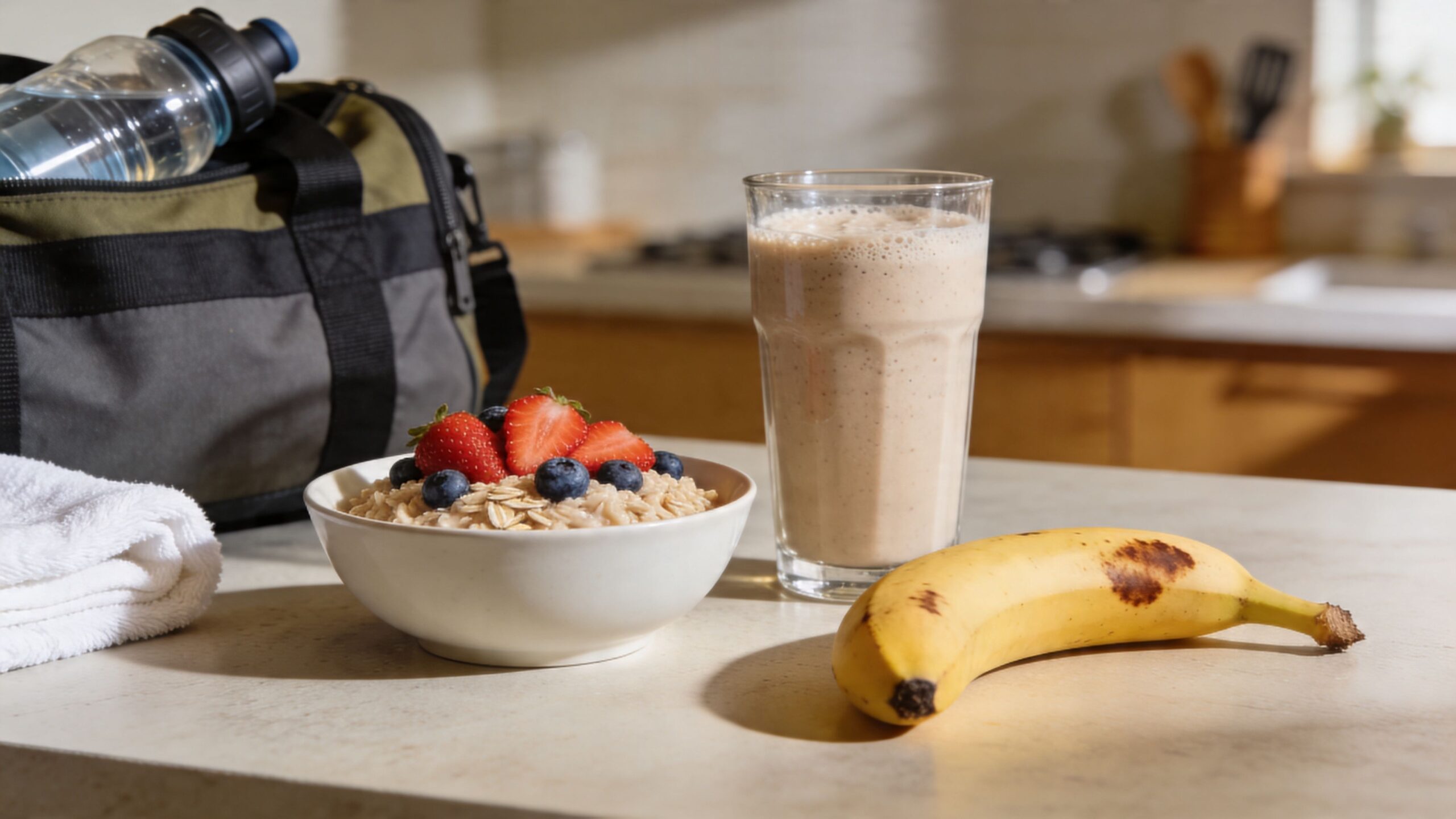
One of the biggest misconceptions about pre-workout nutrition is that it needs to be complicated. In reality, simple and consistent choices are often the most effective. A bowl of oatmeal with fruit provides a balance of complex and simple carbohydrates. Adding a scoop of protein powder or a side of yogurt enhances the meal by supporting muscle function.
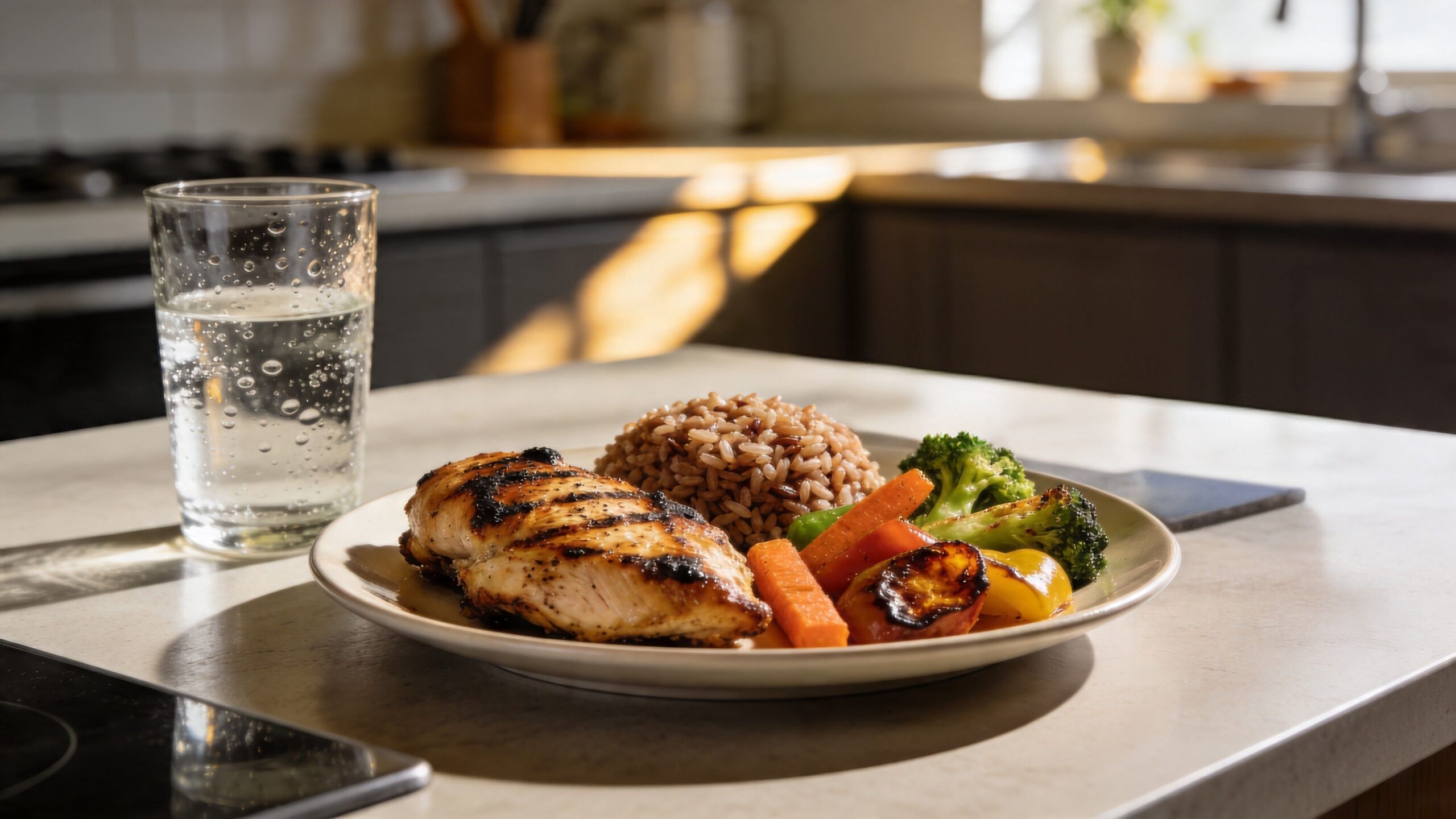
Another reliable option is a combination of lean protein and carbohydrates, such as chicken with rice or toast with eggs. These meals are easy to prepare and provide the nutrients needed for both energy and strength. Smoothies are also an excellent choice, especially for those who prefer a lighter option. Blending fruit, protein powder, and a liquid base creates a quick and customizable pre-workout meal.
Even smaller snacks like a banana with peanut butter or a handful of granola with yogurt can be effective when timed correctly. The key is consistency. By sticking to simple, balanced meals, beginners can build a routine that supports their workouts without unnecessary complexity.
Building Momentum: Turning Nutrition Into a Long-Term Advantage
Pre-workout nutrition is not about perfection. It is about building habits that support your goals and make your workouts more effective. For beginners, this is an opportunity to create a strong foundation that will carry forward as fitness levels improve. As you continue your fitness journey, you will begin to notice patterns. Certain foods may give you more energy, while others may not sit well before exercise. Paying attention to these signals allows you to refine your approach and develop a personalized strategy that works for you. The most important thing is to stay consistent. By fueling your body properly, you give yourself the best chance to succeed. Workouts become more enjoyable, progress becomes more noticeable, and your confidence grows with each session. Pre-workout nutrition is not just a small detail. It is a powerful tool that can transform the way you train and the results you achieve.