An at home workout plan for weight loss without equipment is not a compromise. It is a strategic advantage. In a world where gym memberships, machines, and complicated programs dominate the fitness industry, the truth is surprisingly simple: your body is the most effective training tool you will ever own. When used correctly, bodyweight training can burn fat, build lean muscle, and transform your metabolism without a single piece of equipment. Weight loss ultimately comes down to creating a consistent calorie deficit while preserving muscle mass. Strength training signals your body to keep muscle. Cardiovascular effort increases calorie expenditure. Smart recovery keeps hormones balanced. When these elements are combined into a structured plan, home workouts become incredibly powerful.
A: Yes—combine consistent circuits with daily steps and a calorie deficit for the most reliable results.
A: Aim for 3 strength circuits + 2–4 walk days per week. Start smaller if needed and build up.
A: Start with incline push-ups on a counter or couch arm, then lower the incline as you get stronger.
A: No—low-impact circuits plus brisk walks can be just as effective and easier to recover from.
A: 20–40 minutes is plenty. The best workout is the one you can repeat week after week.
A: Most often it’s food intake and weekend consistency. Track portions for a week and add a step goal.
A: If it feels fine, okay—but many do better with a small carb snack first for energy and performance.
A: You should feel challenged while staying controlled. If your form falls apart, scale the pace down.
A: Add one round, reduce rest by 10 seconds, or slow reps down—pick one change at a time.
A: Walk, stretch lightly, and sleep well—active recovery helps fat loss without burning you out.
The Science of Fat Loss: How Bodyweight Training Burns Calories
To understand why this approach works, you need to understand how fat loss happens. When your body requires more energy than it receives from food, it turns to stored energy. That stored energy is body fat. Exercise accelerates this process by increasing total daily energy expenditure.
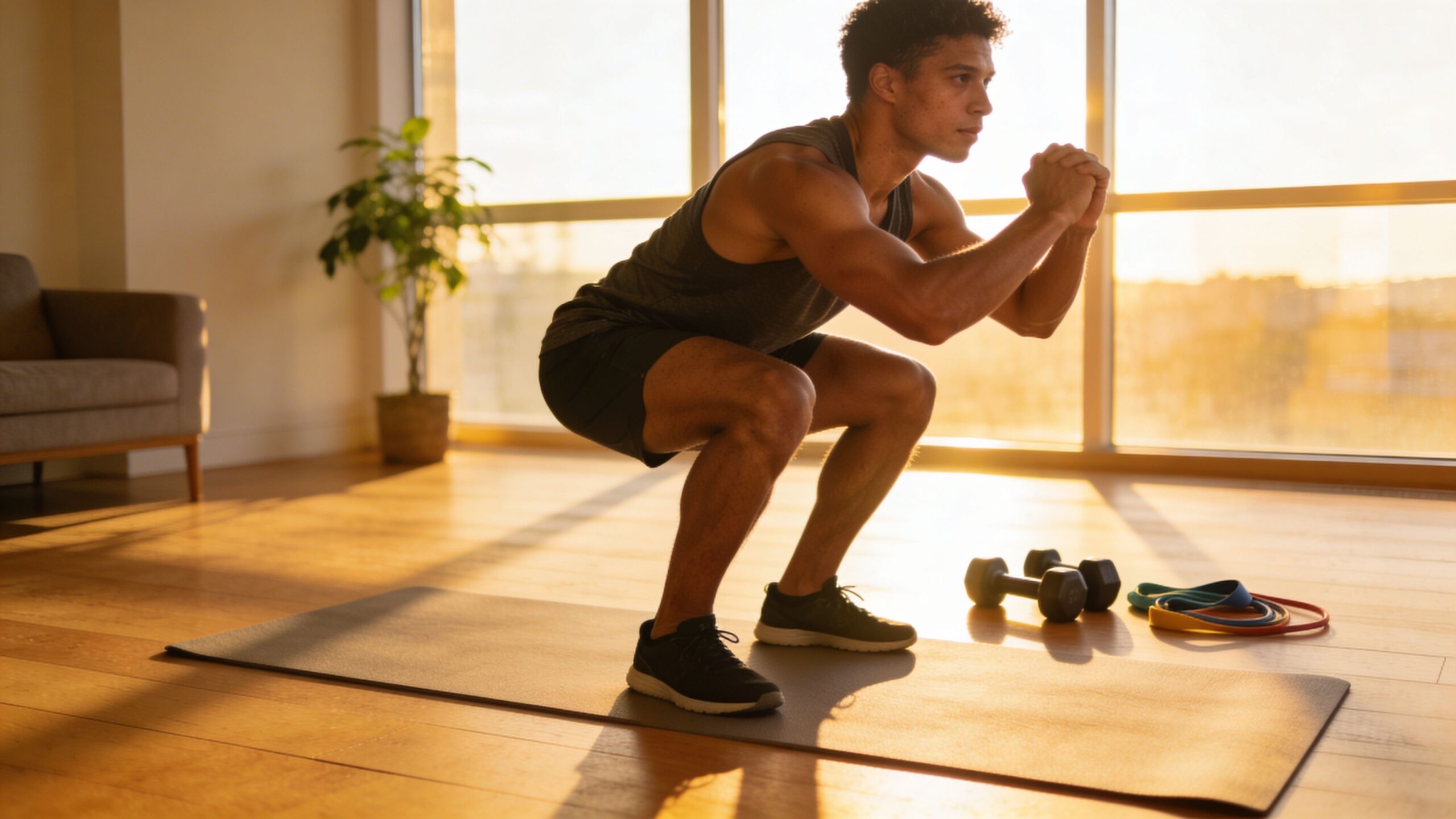
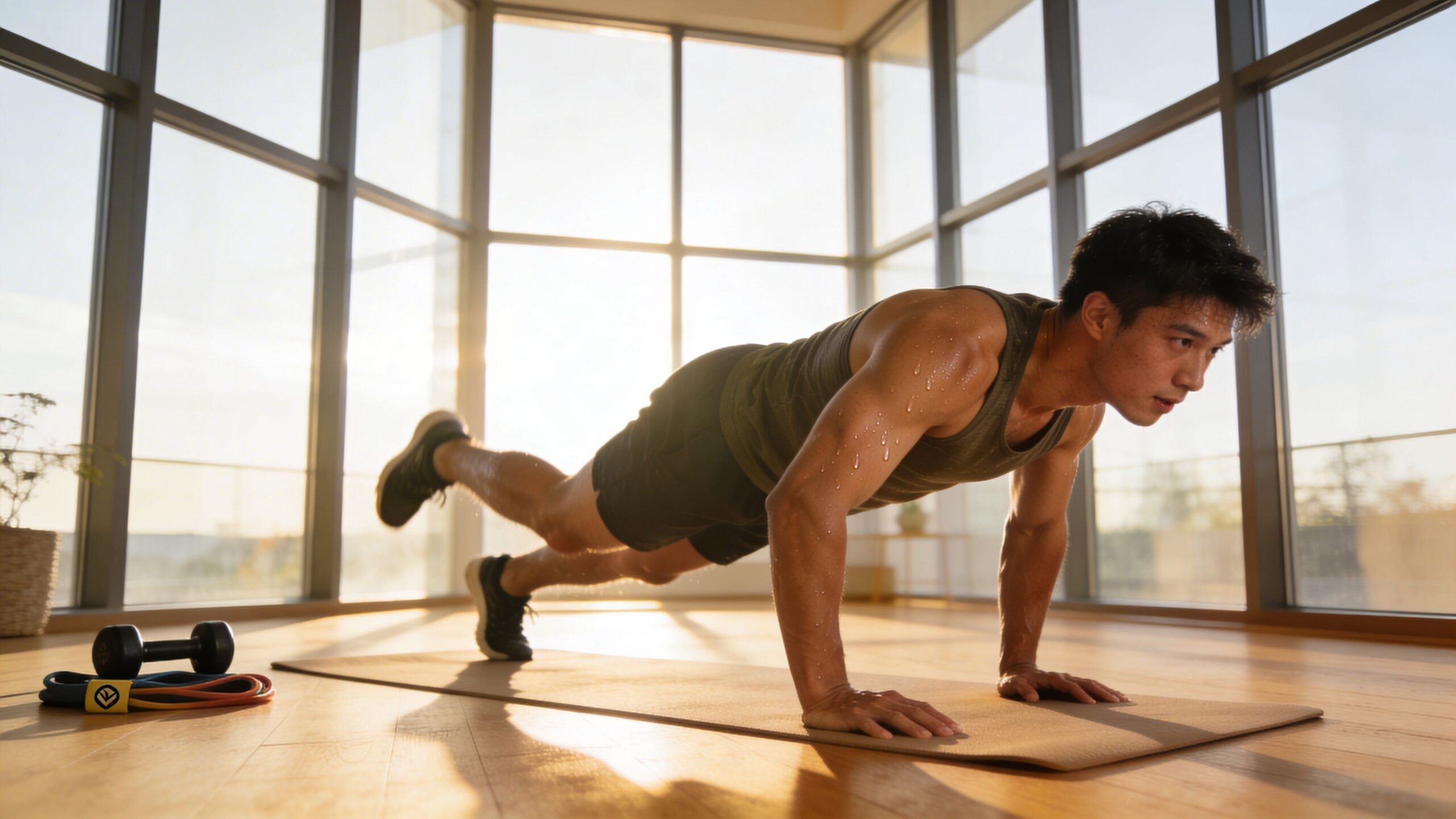
Bodyweight training is especially effective because it combines strength and cardio into one system. Movements like squats, push-ups, lunges, and mountain climbers recruit multiple muscle groups at once. The more muscle you engage, the more calories you burn.
There is another benefit. Strength training increases something called excess post-exercise oxygen consumption. In simple terms, your body continues burning calories after the workout ends as it repairs and restores itself. This metabolic boost makes bodyweight circuits highly efficient for weight loss.
Unlike long, slow cardio sessions, full-body circuits elevate your heart rate while stimulating muscle growth. That combination protects lean tissue while targeting fat stores. This is the foundation of an effective at home workout plan for weight loss without equipment.
The Fat-Burning Framework: A Weekly Plan That Delivers Results
Consistency is more important than intensity when you begin. The ideal structure for most beginners is four to five workout days per week, with each session lasting between 30 and 40 minutes.
A simple weekly layout might include full-body circuits on Monday, Wednesday, and Friday, with lighter cardio or mobility sessions on Tuesday and Saturday. Sunday can remain a full rest day. This rhythm keeps your metabolism active while allowing your muscles to recover.
Each strength-focused workout should include lower body movements, upper body pushes, upper body pulls or pull alternatives, core exercises, and short cardio bursts. Because you are not using equipment, exercise selection becomes critical.
A sample session could begin with bodyweight squats, followed by push-ups, reverse lunges, plank variations, and mountain climbers. Perform each movement for 30 to 45 seconds, resting briefly between exercises. Repeat the circuit three to four times.
The key to weight loss is maintaining intensity. You should feel challenged but still capable of finishing the workout with good form. Over time, you can increase duration, reduce rest periods, or add more advanced variations.
This structure ensures your entire body is trained multiple times per week, maximizing calorie burn while building lean muscle.
High-Intensity Intervals: Accelerating Fat Loss at Home
One of the most powerful tools in an at home workout plan for weight loss without equipment is high-intensity interval training. Short bursts of effort followed by brief recovery periods can dramatically increase calorie burn in a short amount of time.
For example, perform jumping jacks at high intensity for 20 seconds, then rest for 40 seconds. Repeat for eight rounds. Or alternate between burpees and rest intervals. These sessions can last as little as 10 to 15 minutes yet deliver significant metabolic impact.
However, intensity must be matched to your fitness level. Beginners should start with low-impact alternatives such as step-back lunges, modified mountain climbers, or brisk walking in place. As your conditioning improves, you can introduce higher-impact movements.
The advantage of interval training is efficiency. You can complete a powerful fat-burning session in a fraction of the time required for traditional steady-state cardio. When combined with strength circuits, this approach creates a balanced and effective system for weight loss at home.
Progressive Overload Without Weights: Getting Stronger With Your Body
One common concern about no-equipment workouts is progression. Without adding weight, how do you continue challenging your muscles?
The answer lies in manipulating tempo, volume, and exercise variations. Slowing down the lowering phase of a squat increases time under tension. Pausing at the bottom of a push-up adds difficulty. Reducing rest time increases cardiovascular demand.
You can also move to unilateral exercises. Instead of standard squats, perform split squats. Instead of regular glute bridges, try single-leg bridges. Instead of planks on your knees, extend to full planks or side planks.
Tracking your repetitions and sets creates measurable progress. If you performed 10 push-ups per round last week and 12 this week, you improved. These small improvements compound over time, driving fat loss and muscle definition.
Your body adapts quickly when challenged consistently. Progressive overload is not limited to dumbbells and barbells. It is built into smart programming.
Nutrition Alignment: The Silent Partner of Every Weight Loss Plan
No at home workout plan for weight loss without equipment can succeed without addressing nutrition. Exercise creates the opportunity for fat loss. Nutrition determines whether that opportunity becomes reality.
Focus on whole foods rich in protein, fiber, and micronutrients. Protein helps preserve muscle mass during weight loss. Fiber increases fullness and supports digestion. Hydration regulates hunger and energy levels.
A simple strategy is to build meals around lean protein sources such as chicken, fish, eggs, beans, or Greek yogurt. Fill half your plate with vegetables. Include moderate portions of whole grains or healthy fats. Avoid extreme restriction, which often leads to burnout.
Calorie awareness is helpful, but obsession is not necessary. Prioritize consistency over perfection. Small daily improvements lead to sustainable results.
Sleep also plays a major role in weight loss. Inadequate sleep disrupts hormones that regulate hunger and cravings. Aim for seven to nine hours per night to support recovery and metabolic health.
When nutrition, sleep, and training align, fat loss becomes predictable.
Avoiding Plateaus: Staying Motivated and Making Adjustments
Every weight loss journey includes periods where progress slows. This is normal. The body adapts. When this happens, adjustments are necessary.
You can increase workout density by shortening rest periods. You can add an extra round to your circuits. You can incorporate one additional interval session per week. Small changes often reignite progress.
Non-exercise activity also matters. Walking more throughout the day, taking stairs, or standing more frequently can increase total calorie expenditure without adding formal workout time.
Motivation often fades before results fully appear. To combat this, track non-scale victories. Notice improvements in energy, endurance, and strength. Pay attention to how your clothes fit. These indicators often shift before the number on the scale changes dramatically.
Building habits is more important than chasing rapid results. An at home workout plan for weight loss without equipment is sustainable precisely because it removes barriers. You do not need a commute to the gym. You do not need expensive machines. You only need commitment.
The Long-Term Vision: Turning Home Workouts Into a Lifestyle
The ultimate goal of weight loss is not simply a smaller number on the scale. It is improved health, confidence, and longevity. When home workouts become part of your weekly routine, they stop feeling like an obligation and start feeling like empowerment. As you lose weight and gain strength, you may choose to expand your training. You might add light resistance bands. You might increase workout frequency. You might explore advanced calisthenics or outdoor activities. The foundation you build at home makes these transitions seamless. Sustainable fat loss takes time. Expect steady progress rather than dramatic overnight change. With consistent training four to five times per week and supportive nutrition habits, many beginners begin noticing measurable changes within four to six weeks. Your environment does not determine your results. Your strategy does. A structured at home workout plan for weight loss without equipment can transform your body and your mindset. It teaches discipline. It builds resilience. It proves that progress does not require perfection. You do not need a gym membership to create change. You need a plan, consistency, and the willingness to start. Your body is ready. Your living room is ready. The only thing left is action.