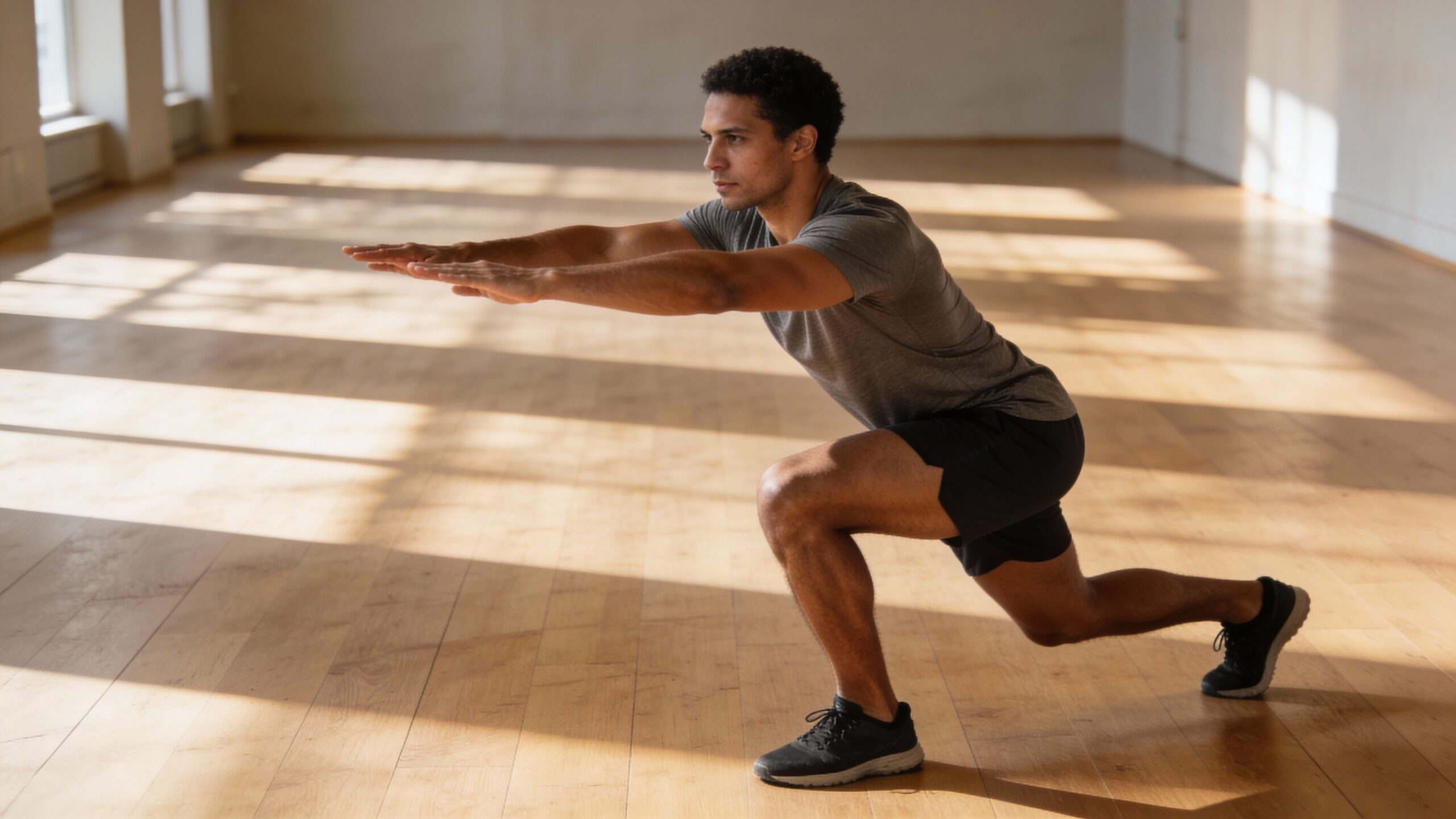
Feeling stiff even though you stretch regularly can be one of the most frustrating experiences in fitness and daily movement. You carve out time, hold the stretches, and do everything you were told should make your body feel looser, yet the tightness keeps coming back. This experience is far more common than most people realize, and it often leads to the false assumption that the problem is not stretching enough. In reality, stiffness is rarely just about short muscles. It is usually a signal from the body that something deeper is being overlooked, whether that is how you move, how you recover, or how your nervous system perceives safety. Understanding why stiffness persists despite consistent stretching requires a shift in how we think about the body. Muscles, joints, and the nervous system work together as a single unit, and stretching only addresses one small piece of that system. Once you understand what stiffness really represents, it becomes much easier to address the root cause and finally experience lasting freedom of movement.
A: Because stiffness is often a stability/strength or nervous system issue. Stretching changes passive range; mobility strength changes what your body trusts.
A: Not necessarily—keep short, gentle stretches if they help, but prioritize controlled mobility and full-range strength.
A: Warm up (walk 3–5 minutes), then do slow squats/hinges and a few joint circles with long exhales.
A: If you stretch, keep holds moderate (20–60 seconds) and avoid max-intensity daily battles.
A: Rolling can help you feel ready, but movement control drills create longer-term change.
A: 2–4 focused sessions works well, plus short daily movement snacks.
A: You may be irritating tissue or triggering a protective response—back off intensity and add end-range strength.
A: Ankles, hips (rotation), thoracic spine, and shoulders usually change everything upstream.
A: If stiffness comes with sharp pain, swelling, numbness/tingling, or radiating symptoms.
A: 8 minutes: breathe (1), joint circles (3), squat/hinge reps (3), and one carry or rotation drill (1).
The Myth That Tight Muscles Are Always the Problem
One of the most persistent beliefs in fitness culture is that stiffness equals tight muscles. While muscles can certainly become shortened or overactive, this is only part of the picture. Many people who feel stiff actually have muscles that are weak, underused, or poorly coordinated rather than truly short.
The body often creates tension as a protective strategy. If a joint lacks stability or control, surrounding muscles may tighten to create a sense of security. Stretching those muscles may temporarily reduce tension, but the body quickly brings it back because the underlying issue has not been resolved. This is why stiffness often returns shortly after stretching, sometimes within minutes or hours.
In these cases, stiffness is not a flexibility problem but a stability and control problem. Until the body feels confident that it can move safely, it will continue to use tension as a form of protection.
Why Stretching Feels Good but Doesn’t Always Last
Stretching often provides immediate relief because it temporarily alters how the nervous system perceives muscle tension. When you stretch, sensory receptors in the muscles signal relaxation, which can reduce the sensation of tightness. This is why stretching can feel soothing and satisfying in the moment.
However, this effect is usually short-lived. Once you return to your usual movement patterns, posture, or stress levels, the nervous system reasserts its preferred level of tension. If your daily habits continue to reinforce the same limitations, stretching becomes a temporary reset rather than a permanent solution.
This cycle can be frustrating because it creates the illusion of progress without lasting change. The key insight is that stretching changes sensation, not behavior. Lasting mobility improvements come from teaching the body how to move differently, not just how to relax temporarily.
The Nervous System’s Role in Persistent Stiffness
Stiffness is deeply connected to the nervous system. Your brain constantly monitors your body for potential threats and adjusts muscle tension accordingly. If it perceives instability, fatigue, stress, or unfamiliar movement, it often responds by increasing stiffness.
This means that stiffness is not always mechanical. Emotional stress, poor sleep, and mental fatigue can all increase muscle tone and reduce your sense of freedom in movement. This is why some days you feel looser than others even if your physical activity stays the same.
Stretching does little to change these nervous system inputs. In contrast, slow, controlled movement, improved breathing, and adequate recovery help signal safety to the brain. When the nervous system feels safe, muscles naturally relax and joints move more freely without being forced.
How Lack of Strength Creates the Feeling of Tightness
A surprising cause of stiffness is insufficient strength through full ranges of motion. When muscles are weak at certain lengths, the body often avoids those positions by creating tension elsewhere. This can feel like tightness, even though the real issue is a lack of strength and control.
For example, tight hips are often blamed on sitting too much, but they are just as often the result of hips that are not strong through extension, rotation, or deep flexion. Stretching may increase passive range, but without strength, the body does not trust that range and continues to restrict movement.
Building strength at longer muscle lengths teaches the nervous system that these positions are safe and usable. Over time, the sensation of tightness fades because the body no longer needs to guard against perceived weakness.
Why Repetitive Daily Postures Undo Your Stretching
Even the most dedicated stretching routine can be undermined by how you spend the rest of your day. Long periods of sitting, repetitive movements, and limited posture variety reinforce stiffness far more powerfully than a short stretching session can reverse.
The body adapts to what it does most often. If you spend eight or more hours in the same positions, your nervous system and connective tissues begin to treat those positions as normal and everything else as unfamiliar. Stretching briefly pulls you out of those patterns, but daily habits quickly pull you back in.
This is why movement frequency matters more than occasional intensity. Small posture changes, frequent movement breaks, and varied positions throughout the day provide constant reminders that your body is capable of more than one shape. Over time, this reduces stiffness far more effectively than stretching alone.
The Difference Between Mobility and Flexibility
Many people stretch consistently but never address mobility, which is the ability to actively control movement through a joint’s range of motion. Flexibility is passive, while mobility is active and functional. You can be flexible and still feel stiff if you cannot control your movement.
Mobility training focuses on slow, deliberate motion, coordination, and strength through range. It teaches your body not just where it can go, but how to get there and stay there. This builds confidence in movement rather than reliance on tension.
When mobility improves, flexibility often follows naturally. The body no longer resists range of motion because it feels prepared to handle it. This is why people who shift from stretching-only routines to movement-based approaches often experience more lasting relief.
Recovery, Fatigue, and the Illusion of Tightness
Fatigue plays a major role in how stiff you feel. When muscles are tired, they often lose their ability to relax efficiently. This can create a sensation of tightness that stretching does not resolve because the real issue is exhaustion, not short tissue.
Poor sleep, inadequate nutrition, and insufficient recovery time amplify this effect. The body under-recovered is more guarded, more tense, and less adaptable. Stretching a fatigued system may even increase irritation rather than relief.
Addressing recovery often produces dramatic improvements in how the body feels. Better sleep, appropriate training volume, and intentional rest allow muscles to regain elasticity and responsiveness. In many cases, stiffness disappears when the body is given permission to recover fully.
Rethinking Stiffness as a Signal, Not a Flaw
The most important shift you can make is to stop viewing stiffness as something to fight and start seeing it as information. Stiffness is the body’s way of communicating that something needs attention, whether that is movement quality, strength, recovery, or stress management. Stretching has a place, but it is only one tool among many. When stiffness persists despite regular stretching, it is usually a sign that the solution lies elsewhere. By addressing how you move, how you recover, and how your nervous system experiences safety, you create changes that last. When stiffness is approached with curiosity rather than frustration, it becomes a guide rather than an obstacle. The body responds quickly when it feels supported, capable, and understood. That is when stretching stops feeling mandatory and movement starts to feel natural again.